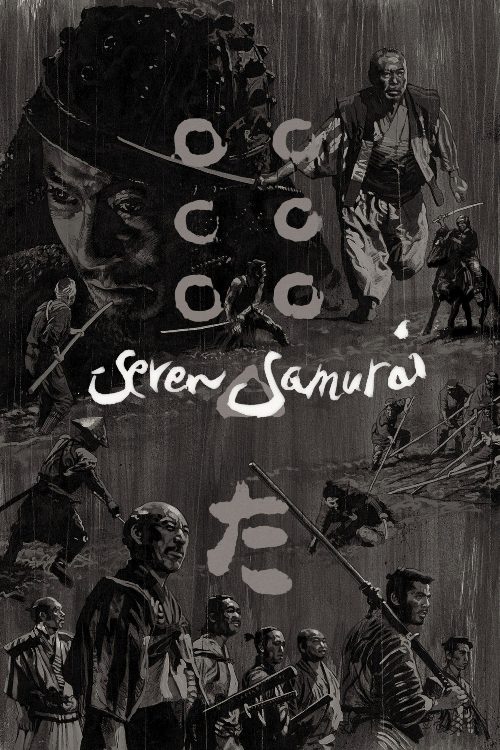
Seven Samurai(1954)
“Unmatched for suspense and spectacle!”
About Seven Samurai
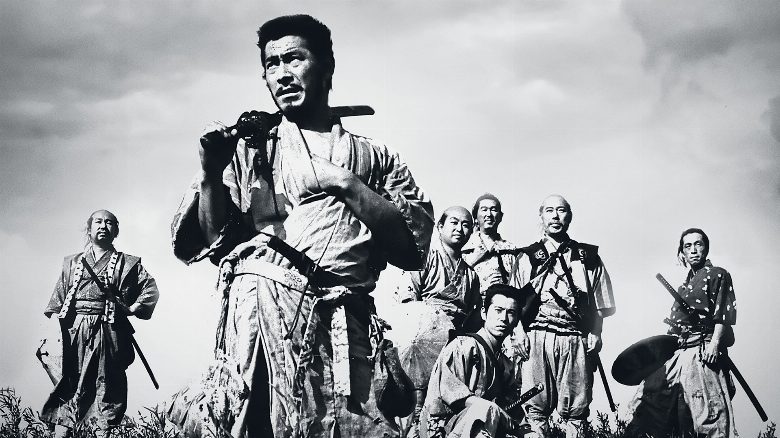
A samurai answers a village's request for protection after he falls on hard times. The town needs protection from bandits, so the samurai gathers six others to help him teach the people how to defend themselves, and the villagers provide the soldiers with food.
Akira Kurosawa transformed the landscape of global action cinema seven decades ago by blending intimate human drama with the kinetic energy of tactical warfare. While modern audiences might recognize the DNA of this masterpiece in everything from the gritty westerns of Hollywood to the high-stakes emotional payoffs in contemporary Telugu and Tamil blockbusters, the original 1954 classic remains the definitive blueprint for the ensemble hero narrative. Set in a period of civil unrest where the lines between protector and mercenary are perpetually blurred, the story centers on a group of ronin who trade their swords for the survival of a vulnerable farming community. It is a rare film that manages to be both a sprawling epic and a deeply introspective study of class dynamics, forcing us to ask what truly separates a warrior from a villager when the harvest is on the line.
For the modern viewer accustomed to the fast-paced editing and stylized heroism of current Indian regional cinema, this film offers a masterclass in patience and visual storytelling. Kurosawa was a pioneer in using weather and terrain as physical extensions of the characters internal struggles, a technique that remains a hallmark of great filmmaking across India today. The film does not merely rely on the spectacle of combat; it meticulously builds a world where every tactical decision feels earned and every sacrifice carries the weight of a thousand years of tradition. It is essential viewing for anyone who appreciates the structural complexity of ensemble dramas, as it sets the standard for how to introduce, develop, and eventually deploy a large cast of protagonists without losing the emotional core of the mission.
This work stands as a testament to the enduring power of the outsider hero trope, a character archetype that continues to define lead performances from the industry legends in Mumbai to the powerhouses of Hyderabad. By focusing on the logistical and psychological burden of defense rather than just the glory of the fight, the film creates a sense of stakes that feels remarkably grounded. Whether you are a student of cinema history or simply a fan of stories where a ragtag group of misfits finds redemption through a noble cause, the film delivers a visceral experience that has yet to be eclipsed. It remains a foundational pillar of world cinema, proving that even after seventy years, the most compelling battles are always the ones fought for the people who have nothing left to give but their gratitude and a bowl of rice.
Cast(59)