About Drive My Car
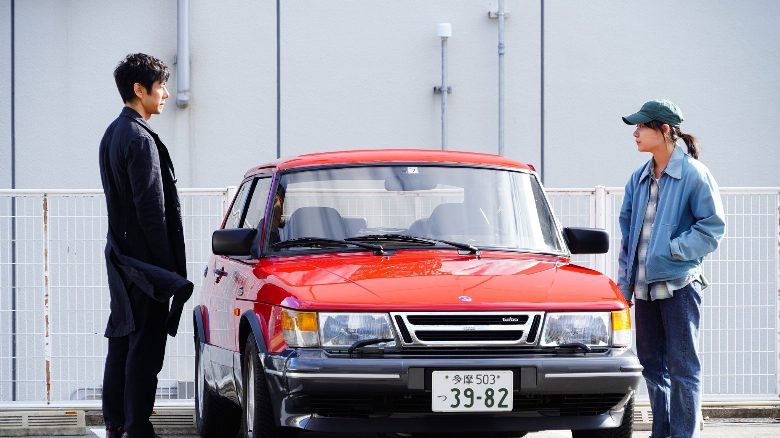
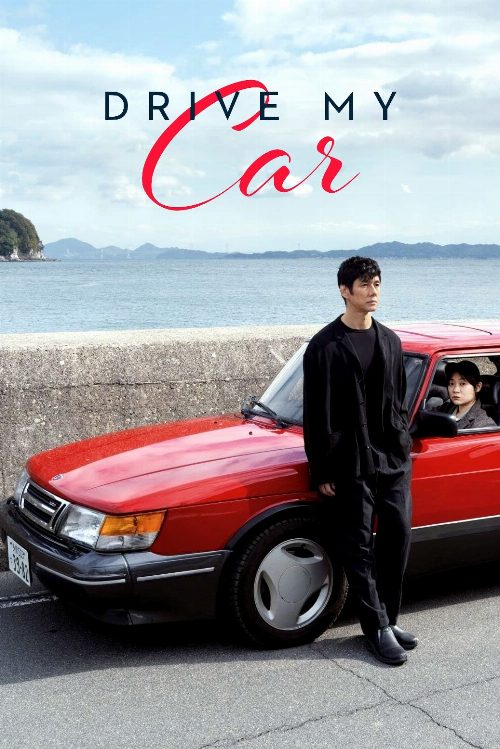
Yusuke Kafuku, a stage actor and director, still unable, after two years, to cope with the loss of his beloved wife, accepts to direct Uncle Vanya at a theater festival in Hiroshima. There he meets Misaki, an introverted young woman, appointed to drive his car. In between rides, secrets from the past and heartfelt confessions will be unveiled.
In the vast landscape of global cinema, certain films arrive with a quiet gravity that demands total immersion, and Drive My Car stands as a masterclass in the art of patient storytelling. While Indian audiences are often accustomed to the high-octane emotional crescendos of Telugu or Malayalam dramas, this Japanese feature offers a meditative alternative that prioritizes internal transformation over outward spectacle. Directed by Ryusuke Hamaguchi, the film unfolds like a slow-burning chamber piece, inviting viewers to sit in the passenger seat as a grieving widower confronts the remnants of his fractured life. It is a rare work that finds profound cinematic tension not in action sequences, but in the intimate, unforced dialogue that develops between two strangers confined within the rhythmic hum of a moving vehicle.
The narrative centers on a celebrated theater professional who finds himself tasked with helming a production of Uncle Vanya in Hiroshima while still processing a devastating personal tragedy. His routine is disrupted by the arrival of a taciturn young chauffeur, a pairing that serves as the catalyst for a deep, philosophical exploration of human connection. For enthusiasts of world cinema who appreciate the nuanced character studies found in the works of Satyajit Ray or the contemporary sensibilities of modern auteur-driven Indian films, this movie provides a fascinating study in restraint. It moves away from the melodrama that frequently characterizes international exports, opting instead for a deliberate pacing that rewards those who enjoy peeling back the layers of a protagonist’s psyche.
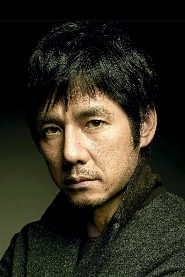
Hidetoshi Nishijima delivers a performance of remarkable subtlety, grounding the film with a weary elegance that feels both universal and deeply specific to his character. By weaving the themes of theatrical performance into the fabric of the protagonist's real-life grief, the director creates a meta-textual layer where art and reality blur. This is a film for the viewer who prefers the slow accumulation of emotional weight over the rapid-fire editing typical of modern blockbusters. It stands as a testament to the idea that silence can be as revelatory as speech, making it an essential watch for cinephiles who value the craft of storytelling above all else. Whether you are a regular follower of international festival circuits or simply seeking a story that respects the intelligence of its audience, this production offers a serene, lingering experience that stays with you long after the final credits roll.
Cast(13)