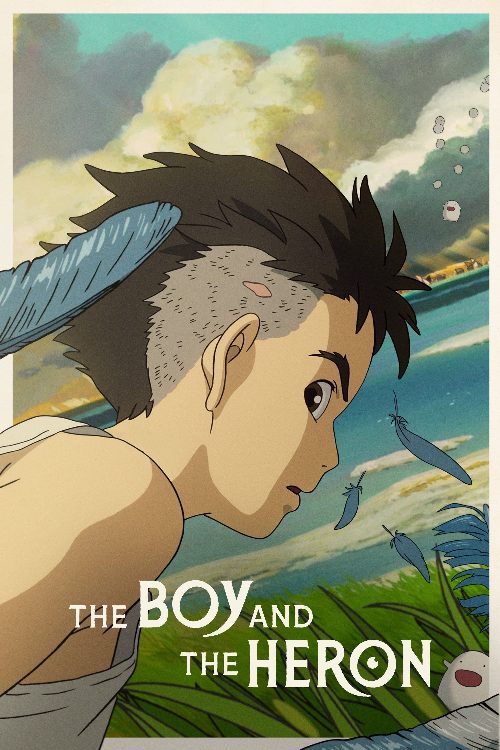
About The Boy and the Heron
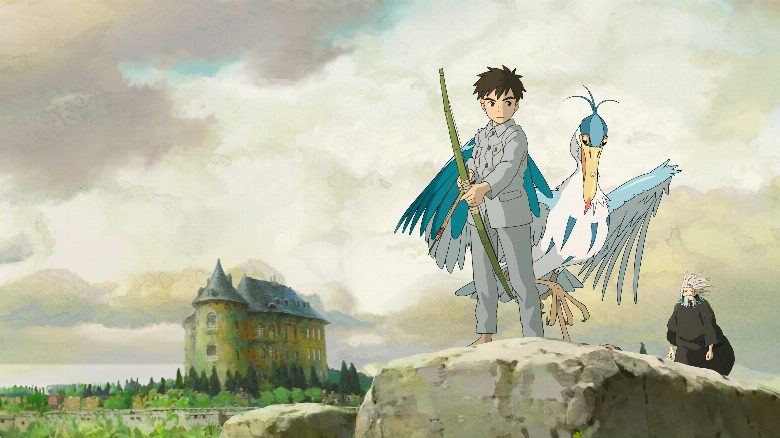
While the Second World War rages, the teenage Mahito, haunted by his mother's tragic death, is relocated from Tokyo to the serene rural home of his new stepmother Natsuko, a woman who bears a striking resemblance to the boy's mother. As he tries to adjust, this strange new world grows even stranger following the appearance of a persistent gray heron, who perplexes and bedevils Mahito, dubbing him the "long-awaited one."
Hayao Miyazaki has long been a master of weaving the anxieties of adolescence into landscapes that defy the laws of physics, and his latest feature serves as a profound meditation on grief that feels like a culmination of his life’s work. Set against the stark, unforgiving backdrop of conflict, the story follows a young protagonist navigating the emotional vacuum left by a family tragedy. Instead of offering a straightforward escape, the film pulls the viewer into a surreal, dreamlike environment where the boundaries between the living and the departed become porous. It is a rare work of animation that treats its audience with intellectual maturity, demanding that we confront the discomfort of loss rather than simply seeking comfort in fantasy.
For fans of Indian cinema who appreciate the way films like Kantara or the works of Mani Ratnam blend folklore with deeply personal human stakes, this project offers a resonant parallel. While the setting is distinctly rooted in the historical reality of wartime Japan, the thematic preoccupation with ancestral connections and the burden of legacy mirrors the emotional intensity found in the best of Telugu or Malayalam storytelling. The film avoids the typical tropes of Western animation, opting instead for a meditative pace that invites reflection. It is positioned as a journey of internal discovery, where the bizarre interactions with an avian guide become a metaphor for the protagonist’s refusal to let go of his past.
Viewers who enjoy cinema that prioritizes atmosphere over rapid-fire plot progression will find this a rewarding experience. It is not designed for those seeking a lighthearted romp, but rather for cinephiles who appreciate the craftsmanship of hand-drawn artistry and the weight of a slow-burning narrative. The film stands out in a modern landscape dominated by computer-generated spectacles, serving as a reminder that the most compelling adventures are often the ones that occur within the corridors of the mind. By grounding its ethereal sequences in the raw, messy reality of a boy dealing with a new family dynamic, the production manages to be both epic in scope and remarkably intimate in its focus. Whether or not it represents the final bow of its legendary creator, the work stands as a testament to the power of animation to capture the unspoken complexities of the human condition.
Cast(12)