About Tokyo Story
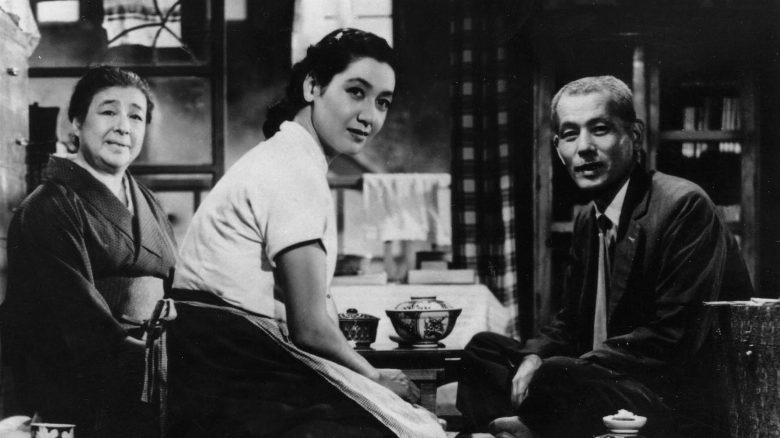
The elderly Shukishi and his wife, Tomi, take the long journey from their small seaside village to visit their adult children in Tokyo. Their elder son, Koichi, a doctor, and their daughter, Shige, a hairdresser, don't have much time to spend with their aged parents, and so it falls to Noriko, the widow of their younger son who was killed in the war, to keep her in-laws company.
Few cinematic experiences capture the quiet erosion of familial bonds with the devastating precision found in Yasujiro Ozu’s 1953 masterpiece. While modern global cinema often prioritizes high-octane spectacle or complex plot twists, this Japanese classic remains a pillar of world film history by focusing entirely on the profound, unspoken tensions of domestic life. The narrative follows an aging couple who travel from their tranquil seaside home to the bustling heart of Tokyo, expecting a warm reunion with their grown children. Instead, they find their offspring preoccupied with the frantic pace of professional life, leaving the visitors feeling like cumbersome remnants of a bygone era. This exploration of generational disconnect resonates deeply with contemporary audiences, particularly those accustomed to the rapid social shifts currently seen across the Indian film landscape, where the traditional joint family structure is often depicted in a state of delicate transition.
The strength of the film lies in its restraint and the deliberate, meditative pacing that has become the signature of Ozu. Rather than relying on melodramatic outbursts to signal emotional distance, the director utilizes his famous low-angle camera placement and static frames to force the viewer to observe the subtle body language and domestic rituals of his characters. For fans of Indian regional cinema who appreciate the nuanced family dramas often produced in the Malayalam or Bengali industries, this film provides an essential blueprint for how to portray the bittersweet reality of aging parents and children who have outgrown their childhood homes. It is a work that values the unspoken over the articulated, finding deep pathos in the small, everyday moments of disappointment that accumulate over a lifetime.
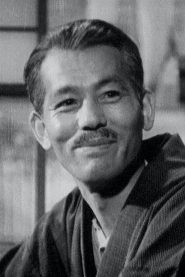
Viewers who enjoy character-driven dramas that prioritize emotional authenticity over narrative artifice will find this an essential viewing. The performance of Chishu Ryu as the patriarch is particularly noteworthy for its understated dignity, anchoring the film even as the surrounding family dynamics begin to fracture. As a study of human impermanence and the inevitable cooling of parental and filial affection, the movie remains as relevant today as it was seven decades ago. It serves as a gentle yet piercing reminder that the distance between people is not always measured in miles, but in the growing silence between those who share the same name. Whether you are a student of classic world cinema or a casual viewer looking for a deeply moving story about the complexities of kin, this timeless production offers a masterclass in empathy and visual storytelling.
Cast(27)