About A Sweet Life
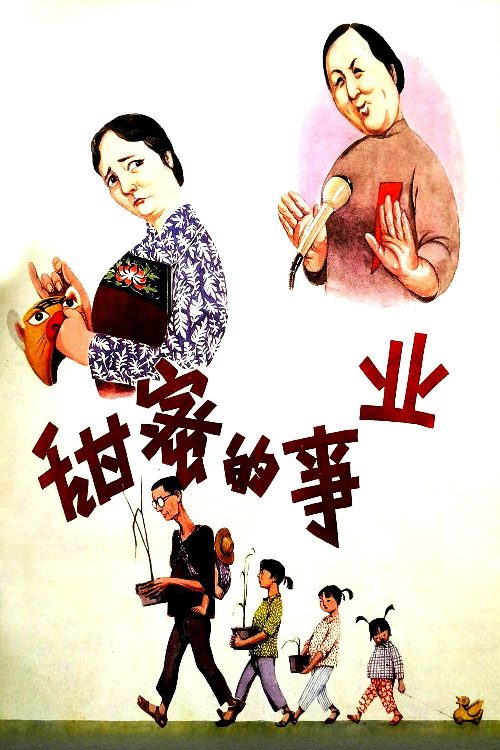
Venturing back to the tail end of the seventies, A Sweet Life captures a specific, introspective mood that feels remarkably distinct from the high-octane blockbusters currently dominating the landscape of global cinema. Directed by Tian Xie, this Chinese drama serves as a poignant time capsule, offering a glimpse into the emotional textures of a society navigating shifting tides. Unlike contemporary regional Indian dramas that often rely on grand social commentary or heightened melodrama to make a point, this film finds its strength in the quiet corners of daily existence and the complexities of human connection. It functions as a character study that prioritizes atmosphere and authentic interpersonal dynamics over the elaborate narrative structures we have become accustomed to in modern Tollywood or Bollywood storytelling.
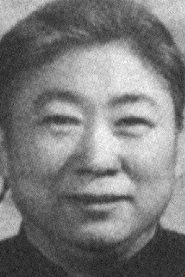
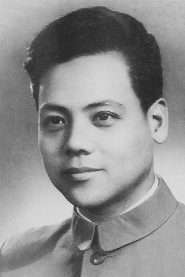
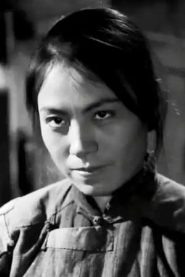
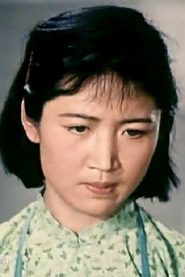
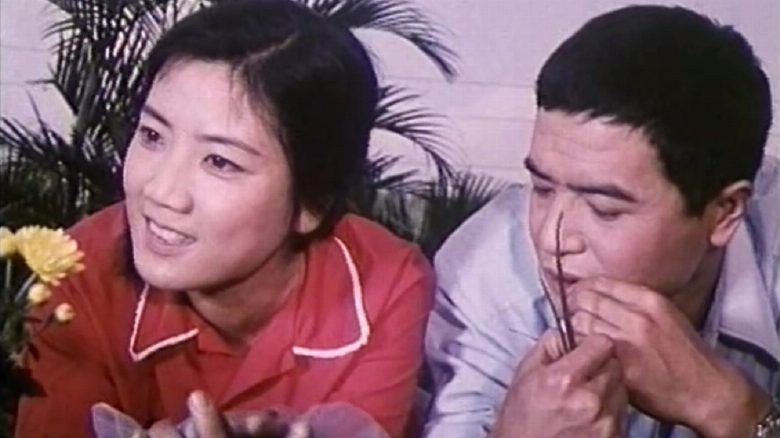
The film is positioned as a testament to the resilience of the human heart, focusing on the delicate interplay between its ensemble cast, including Saisheng Xiong and Shi Xiaoman. By grounding its narrative in the intimate struggles of its leads, the production avoids the common pitfalls of genre artifice, opting instead for a grounded realism that resonates across cultural borders. For the modern cinephile who enjoys exploring the evolution of international cinema, this piece offers a fascinating contrast to the fast-paced editing styles of today. It is particularly well-suited for viewers who appreciate slow-burn narratives where the weight of a gaze or a brief dialogue exchange carries as much gravity as a major plot twist.
Tian Xie demonstrates a keen eye for framing the mundane with a sense of significance, a trait that aligns him with the sensibilities of auteur directors who value nuance above all else. While many international audiences gravitate toward the vibrant musical numbers and sweeping scales of the Indian film industries, there is a profound, meditative quality to this classic that deserves recognition. It invites the audience to slow down and reflect on the universal themes of companionship and longing, proving that the language of emotion is truly global. For those interested in the historical progression of Asian cinema, this work stands as a vital touchstone, reminding us that even decades later, the most compelling stories are those that remain honest and unadorned. It is a contemplative addition to any serious film lover’s watchlist, providing a rare look at a pivotal moment in Chinese artistic expression.