About Airo
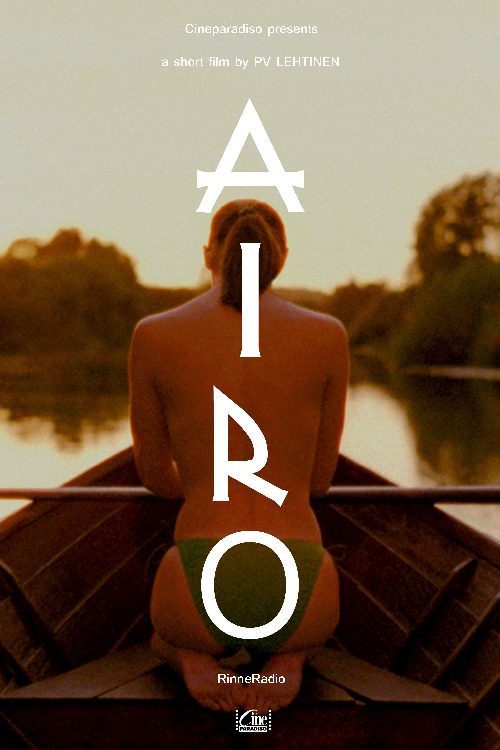
A scantily clad woman is rowing a large wooden boat with her eyes closed, when a male figure suddenly appears out of nowhere standing on his hands at the bow. Together they travel down the river under the starry sky surrounded by mystical nature.
The Finnish cinematic landscape often leans into a distinct brand of ethereal storytelling, and Airo stands as a fascinating relic of this tradition from the early two thousands. Directed by P.V. Lehtinen, this drama prioritizes visual atmosphere and rhythmic movement over traditional dialogue-driven narrative structures. By placing its characters in a serene, almost otherworldly river setting, the film functions more as a meditative experience than a standard plot-heavy feature. It captures a specific moment in European independent cinema where filmmakers were increasingly experimenting with non-verbal communication, relying on the interplay between human figures and the raw, untamed landscape to convey emotional depth.
For audiences accustomed to the high-energy song and dance sequences of South Indian cinema, or the tight scripts found in contemporary Bollywood dramas, Airo offers a radical shift in pace. It is a work of minimalist artistry that invites the viewer to slow down and observe the quiet tensions between the two leads. The film is positioned as a sensory journey rather than a conventional story, making it an ideal choice for those who appreciate experimental art house projects where the environment acts as a third character. The stark contrast between the rowing figure and the acrobat on the boat creates a surreal tableau that feels timeless, stripping away the clutter of modern life to focus on pure, kinetic interaction.
Lehtinen demonstrates a keen eye for framing, utilizing the natural backdrop to heighten the sense of isolation and mystery that permeates the production. While it may not share the commercial sensibilities of the mainstream Indian industries that dominate our regular coverage, Airo is essential viewing for cinephiles interested in how global directors utilize silence to anchor their thematic explorations. The performances by Sirja Luomaniemi and Osmo Tammisalo are remarkably restrained, requiring them to embody their roles through physicality alone. This film is best enjoyed by viewers who value mood over resolution and are willing to engage with a piece of cinema that operates on the logic of a dream. It serves as a reminder that the language of film is universal, even when it abandons traditional structure in favor of something far more abstract and evocative.