About The Last Wedding
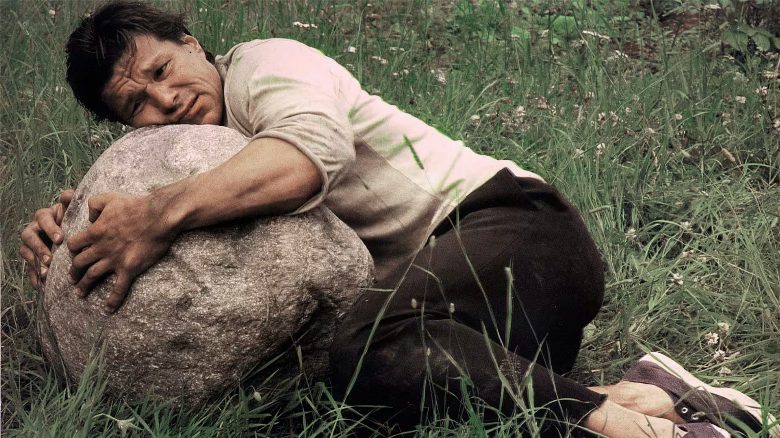
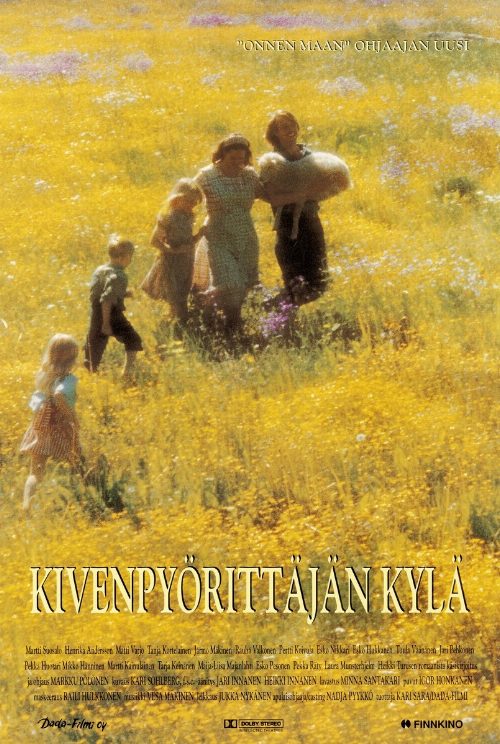
Pekka arrives back to his home village of Jerusalem to celebrate the last wedding of the village. His own marriage seems to have reached a dead end. The people of the village gather to prepare for the event, and the bitter spectrum of all human life, with its joys and sorrows, is condensed into one summer's day.
Returning to one’s roots often serves as a cinematic catalyst for reckoning, and in the 1995 Finnish film The Last Wedding, this trope is infused with a distinctively stark Nordic melancholia. The narrative centers on a man named Pekka who journeys back to the remote village of Jerusalem, a place that feels suspended in time, to witness what is billed as the final matrimonial ceremony in the area. While the premise carries the hallmarks of a traditional ensemble drama, the film functions more as a bittersweet exploration of stagnancy. As the community converges to facilitate the festivities, the story peels back layers of local history, contrasting the fleeting celebration of a new union against the crumbling stability of the protagonist’s own personal life.
For fans of global cinema who appreciate the nuanced, often wry storytelling found in regional Indian industries like Malayalam or Kannada cinema, this film offers a familiar cadence. Much like the character-driven dramas that define the best of contemporary world cinema, The Last Wedding prioritizes atmosphere over high-octane plot mechanics. It captures the essence of a disappearing way of life, mirroring the themes of rural displacement and domestic fatigue that resonate across cultures. The cast, featuring performers like Jarmo Makinen and Martti Suosalo, anchors the production with grounded portrayals that prevent the script from veering into pure caricature. Their performances highlight the tension between the festive exterior of a wedding and the quiet, heavy realization that the village itself may be nearing its twilight.
This feature is best suited for viewers who find beauty in slow-burn character studies and those who enjoy observing the human condition through a regional lens. It is an ideal watch for those who appreciate how a single day can act as a microcosm for an entire lifetime of regret, hope, and social transition. By focusing on the intersection of individual marital crises and the collective decline of a small town, the movie manages to feel both intimate and expansive. It stands as a compelling example of 1990s European independent filmmaking that eschews melodrama in favor of raw, unvarnished honesty, making it a noteworthy addition for anyone seeking to broaden their horizons beyond the typical blockbuster landscape. Whether you are a devotee of European classics or simply a cinephile looking for a reflective, well-observed drama, this film provides a poignant look at the cycles of change that define our communal existence.
Cast(26)