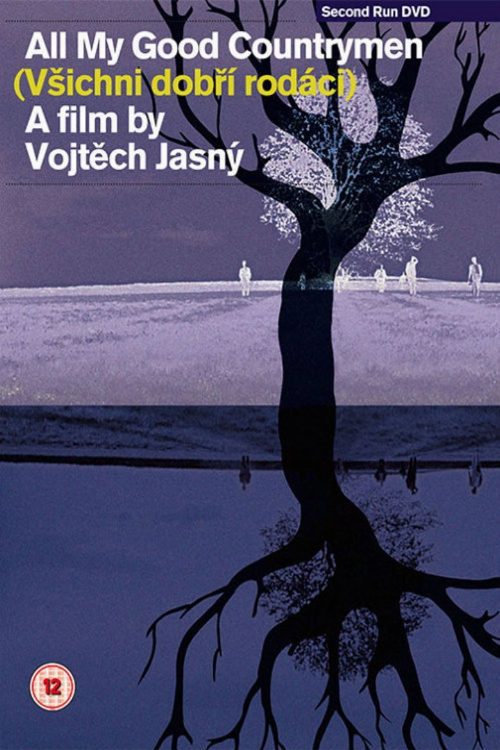
All My Good Countrymen(1969)
About All My Good Countrymen
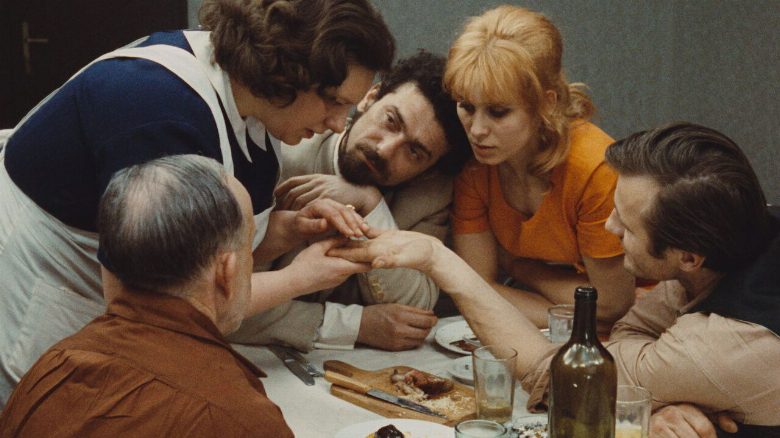
The lives of 7 friends in a small Czech town from 1945 to some time after 1958.
The cinematic landscape of the late nineteen sixties in Czechoslovakia remains one of the most intellectually daring periods in European history, and All My Good Countrymen stands as a vital pillar of that era. Rather than opting for the grand, sweeping gestures often found in historical epics, director Vojtech Jasny chooses to focus on the intimate, often humorous, and ultimately fragile bonds shared by seven men living in a rural Moravian village. By tracking their fortunes from the immediate post-war euphoria of 1945 through the encroaching pressures of the late fifties, the film captures the slow transformation of a community under the heavy thumb of political ideology. It serves as an essential case study for those interested in how national identity is negotiated within the personal lives of ordinary people, offering a poignant look at how friendship fractures when the state demands total allegiance.
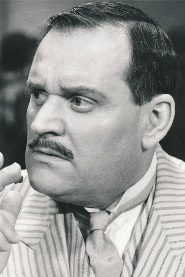
Viewers who appreciate the rich, character-driven narratives found in modern Indian regional cinema, particularly the subtle social critiques common in Malayalam or parallel Bengali films, will find a kindred spirit in this work. Just as contemporary Indian filmmakers often use the village as a microcosm for broader national shifts, this production utilizes the pastoral setting to expose the fissures left by collectivization and shifting power dynamics. Vlastimil Brodsky delivers a performance of remarkable depth, anchoring the ensemble cast with a sense of weary dignity that resonates far beyond the borders of the Czech countryside. The film excels at balancing lighthearted banter with an undercurrent of existential dread, making the transition from neighborly camaraderie to ideological betrayal feel both inevitable and deeply painful.
This is a must-watch for cinephiles who value historical authenticity and the nuanced exploration of human resilience. It is positioned as a masterpiece of the Czechoslovak New Wave, a movement that prioritized artistic freedom and individual perspective in a time of intense censorship. While it functions as a period piece, its observations on how communal harmony disintegrates under the weight of authoritarianism remain strikingly relevant. Those who enjoy stories that examine the tension between traditional rural values and modern political mandates will find this a deeply rewarding experience. It is a haunting yet vibrant testament to the endurance of the human spirit, capturing a vanished world that still has much to teach us about the cost of living with integrity during turbulent times.
Cast(16)