About Kristian
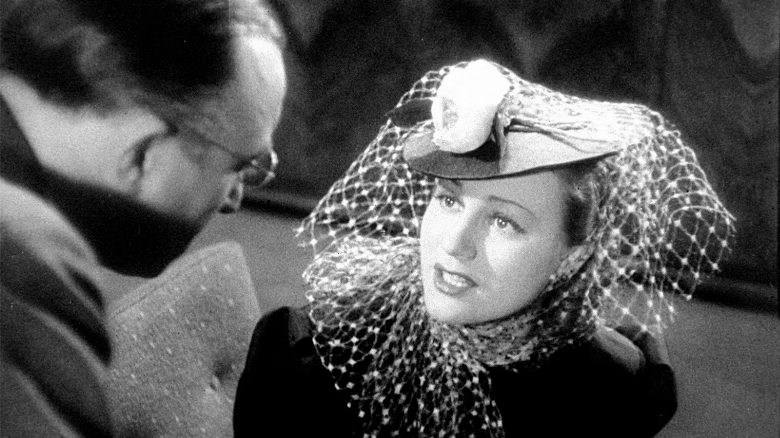
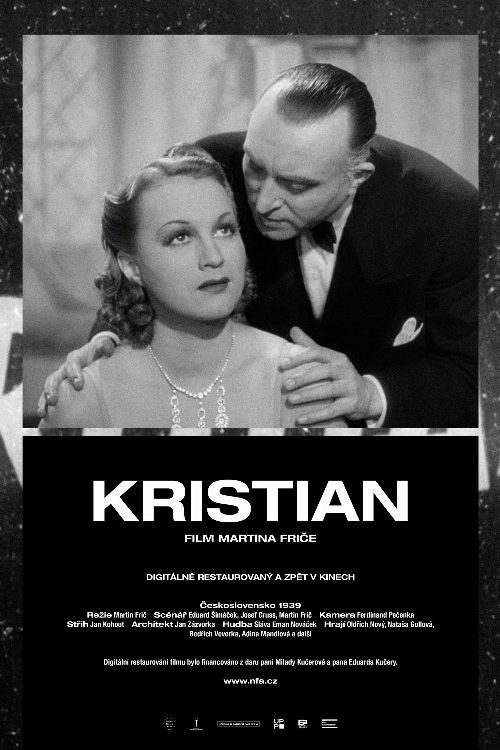
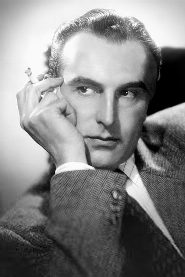
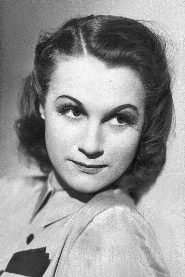
Alois Novák (Oldrich Nový), a minor clerk in a travel agency and the husband of a dowdy housewife Marenka (Natasa Gollová), lives a run-of-the-mill, dull life. In his soul, however, there resides an inextinguishable desire for adventure. And so once a month he poses as a playboy. As the mysterious and wealthy Mr. Kristian he goes to the exclusive Orient Bar where he does not skimp on generous tips and where he platonic-ally seduces beautiful and elegant women. In the salon he speaks of love and the magnificence of exotic lands, which he has supposedly come to know on his wanderings abroad. In reality he has read all of this in the travel agency's brochures.
The golden age of Czechoslovak cinema produced few icons as enduring as Oldrich Novy, whose performance in the 1939 comedy Kristian remains a masterclass in duality and charm. At a time when Indian audiences are increasingly embracing the nuanced humor of middle-class domesticity seen in films like Hindi medium or the lighthearted escapism of classic Telugu romantic comedies, this vintage gem offers a strikingly modern look at the divide between identity and aspiration. The story centers on a seemingly ordinary travel clerk who leads a double life, shedding his mundane persona once a month to become a suave, mysterious playboy at a high-end club. While the protagonist navigates this delicate dance, the film explores the universal human desire to transcend the limitations of one's daily existence through the power of performance and imagination.
Director Martin Fric expertly balances the comedy of errors with a poignant look at the quiet frustrations of the petit bourgeois. For contemporary viewers accustomed to the high-stakes emotional arcs of current pan-Indian cinema, Kristian serves as a refreshing reminder that a compelling narrative does not always require grand spectacles. Instead, it relies on the magnetic screen presence of Novy and his chemistry with Natasa Gollova, who anchors the story with her portrayal of a wife tethered to the reality her husband desperately tries to escape. The film captures the sophistication of pre-war European urban life, yet its themes of longing and social masking resonate deeply with anyone who has ever dreamed of being someone else for just a single night.
This project is an essential watch for cinephiles who appreciate the evolution of the romantic comedy genre and the history of continental European film. It stands out not only for its wit but for how it treats its lead character with both mockery and empathy, refusing to villainize his search for excitement while acknowledging the fragility of his fantasy world. Those who enjoy the intricate character studies often found in the works of directors like Hrishikesh Mukherjee will find much to admire here. By positioning the Orient Bar as a stage for reinvention, the film transforms a simple premise into a timeless examination of the masks we wear in public and the secrets we keep behind closed doors. It remains a definitive piece of classic world cinema that continues to influence how filmmakers depict the intersection of mundane duty and wild, unfulfilled ambition.
Cast(11)

Crew
Director of Photography
Director
Production Design
Original Music Composer
Production Manager
Sound
Theatre Play
Screenplay
Similar Films