About All of Me
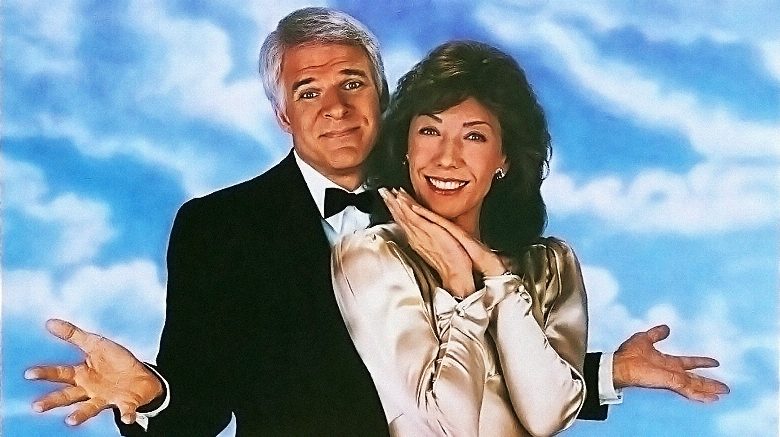
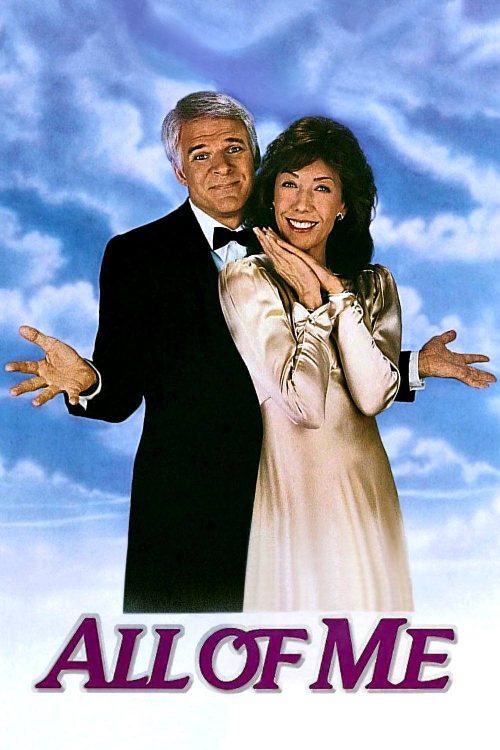
Just before stubborn millionaire Edwina Cutwater dies, she asks her uptight lawyer, Roger Cobb, to amend her will so that her soul will pass to the young, vibrant Terry Hoskins – but the spiritual transference goes awry. Edwina enters Roger's body instead, forcing him to battle Edwina for control of his own being.
The 1984 fantasy comedy All of Me remains a masterclass in physical performance, anchored by a premise that effectively turns the human body into a chaotic battleground for two clashing identities. While modern audiences might associate body-swap films with high-concept sci-fi or sentimental family dramas, this classic leans heavily into the absurdity of its situation. The narrative centers on a rigid, uptight attorney whose life is upended when the spirit of a demanding, terminally ill heiress mistakenly anchors itself within his physical form rather than the intended vessel. What follows is a frantic struggle for dominance, requiring a level of comedic precision that few performers could master. By splitting the control of his limbs between two diametrically opposed personalities, the film creates a unique visual language of slapstick that feels surprisingly fresh even decades after its original theatrical run.
This production occupies a fascinating space in the history of American studio comedies, sitting at the intersection of supernatural whimsy and cynical character study. For viewers who enjoy the intricate choreography of Indian cinema, where actors often juggle dual roles or complex transformations, the performance here serves as a brilliant case study in nuance. It avoids the temptation to rely solely on special effects, choosing instead to let the lead actor carry the weight of the transformation through subtle shifts in posture, gait, and facial expressions. The result is a film that functions as both a lighthearted romp and a surprisingly sharp look at the friction between personal ambition and the loss of autonomy. It is a quintessential choice for those who appreciate character-driven humor that does not mind getting a little messy along the way.
The influence of director Carl Reiner is evident in how the film balances its eccentric premise with a grounded sense of emotional stakes. By focusing on the lawyer’s initial resistance and subsequent adaptation to his unwanted passenger, the story transcends its farcical roots to touch on themes of empathy and shared experience. It stands as a testament to a golden era of Hollywood comedy that valued star power and sharp writing over expensive spectacle. Fans of classic cinema who are looking for a clever, fast-paced exploration of identity will find this work particularly rewarding. It remains a standout example of how to execute a high-concept idea with wit, charm, and a genuine sense of human connection, cementing its status as an enduring staple of the genre that feels just as spirited today as it did upon its initial debut.
Cast(29)






Crew
Producer
Novel
Adaptation
Hair Designer
First Assistant Camera
First Assistant Editor
Director of Photography
Editor
Original Music Composer
Similar Films