About American Graffiti
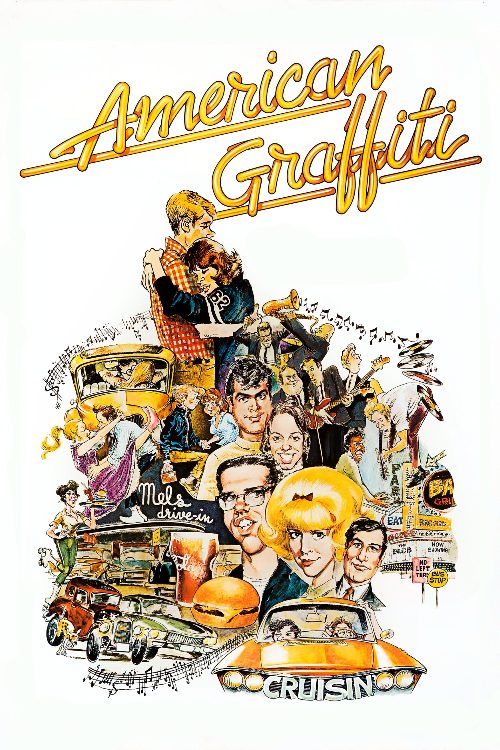
A couple of high school graduates spend one final night cruising the strip with their buddies before they go off to college.
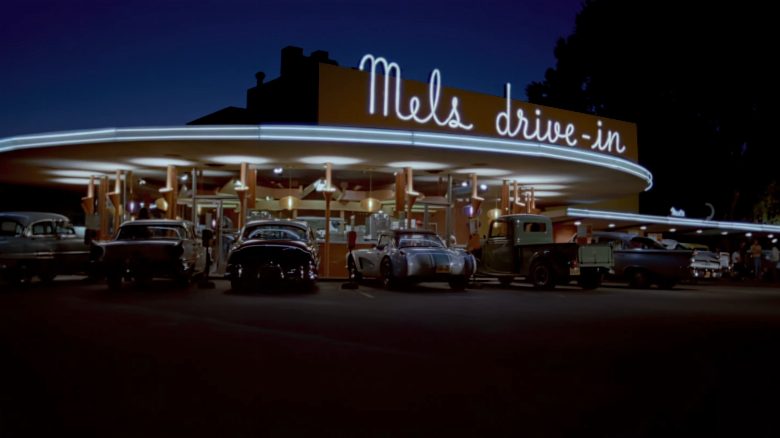
Capturing the ephemeral threshold between adolescence and adulthood, American Graffiti remains a defining touchstone for any cinema lover fascinated by the cultural transition of the early sixties. George Lucas crafted this nostalgic yet sharp-edged portrait of youthful uncertainty long before he became synonymous with galactic space operas, grounding his narrative in the tangible reality of small-town street culture. The film functions as a rhythmic, episodic mosaic, following a group of friends navigating the neon-lit streets of Modesto during their last evening of shared freedom. By focusing on the intimacy of cruising—a ritual that has largely faded from modern life—the director taps into a universal yearning for the final moments of innocence before the responsibilities of higher education and professional life settle in.
For fans of Indian cinema, this structure might feel reminiscent of the nuanced coming-of-age narratives seen in modern Telugu or Malayalam independent projects, where the environment acts as a silent character shaping the protagonists. The film eschews high-octane plot devices in favor of atmosphere, relying heavily on a wall-to-wall soundtrack of rock and roll classics that serves as the heartbeat of the experience. It captures that specific Indian sentiment of adda, or the aimless but essential social gathering where lifelong bonds are tested and solidified. The cast, featuring future titans like Ron Howard and Richard Dreyfuss, delivers performances that feel remarkably lived-in, capturing the anxiety of departure and the desperate desire to prolong the comfort of the familiar.
This piece of seventies Americana is essential viewing for anyone who enjoys character-driven dramas that prioritize mood over grand spectacle. It is positioned as a sentimental journey, yet it possesses an underlying melancholy that resonates with anyone who has stood on the precipice of a major life change. Whether you are an enthusiast of global indie films or a student of Hollywood history, this work stands out for its ability to transform a single night of aimless driving into a profound meditation on fleeting time. It remains a masterclass in ensemble storytelling, proving that the most compelling conflicts are often the quietest ones we carry within ourselves when faced with an uncertain future. By anchoring the narrative in the specificity of the era, the film achieves a timeless quality, ensuring it remains as relevant today as it was during its initial release.
Cast(51)