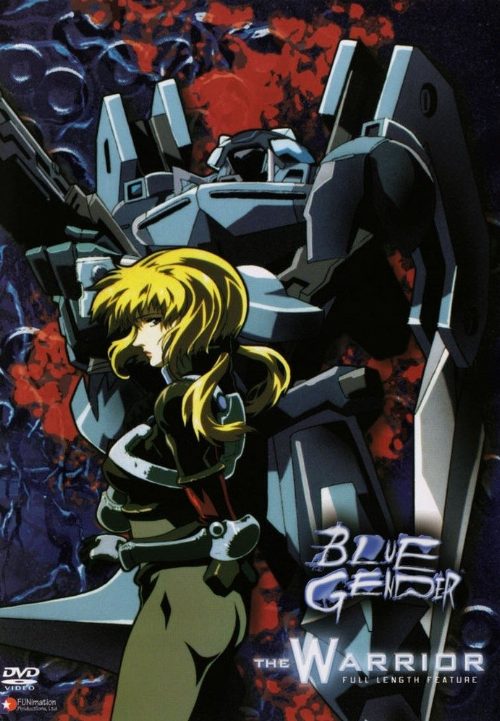
Blue Gender: The Warrior(2002)
About Blue Gender: The Warrior
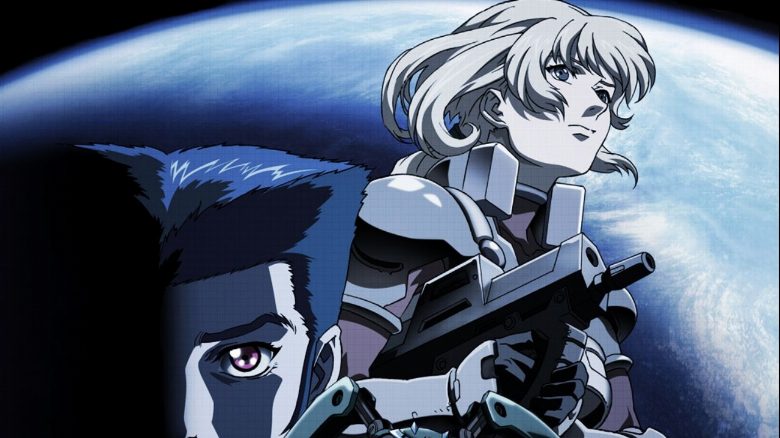
It is a time of chaos. Earth is no longer what it used to be. It has been infested with a bug like species called the Blue. Yuji Kaido, who has a mysterious disease, is put into suspended animation until a cure is found. When he wakes up Yuji learns that its been more than 20 years since he was put into suspended animation, and the world is now controled by these creatures. He joins a group of soldiers equipped with powerful mechas to fight against the Blue for hope of a better future.
Few narratives capture the haunting isolation of a post-apocalyptic landscape quite like the 2002 feature Blue Gender: The Warrior. While modern global audiences are increasingly accustomed to the high-octane spectacle of mecha combat found in contemporary Indian blockbusters, this film offers a much grittier, visceral exploration of survival. By centering its story on a protagonist who awakens from a decades-long medical stasis, the film taps into the classic science fiction trope of the displaced man, yet it pivots toward a relentless intensity that distinguishes it from more hopeful genre entries. For viewers who appreciate the dark, character-driven emotional stakes found in acclaimed Malayalam or gritty Hindi survival dramas, this animation provides a sobering look at how humanity clings to existence when the hierarchy of the food chain is permanently shattered.
The premise revolves around a world reclaimed by insectoid monstrosities that have forced the remnants of civilization into a desperate, mobile war for dominance. Unlike standard hero epics, the film emphasizes the psychological toll of waking up in a future where one's own species is being systematically hunted. The integration of advanced mechanical weaponry provides the technical flair that fans of the mecha subgenre crave, but the soul of the experience lies in the stark, unforgiving environment. It is a cautionary tale that echoes the thematic anxieties seen in regional Indian cinema regarding ecological collapse and the loss of traditional security, making it a surprisingly relevant watch despite its age.
Fans of animation who prefer narratives that refuse to sugarcoat the brutality of conflict will find much to admire here. The character development is deliberate, focusing on the friction between a man out of time and a hardened military unit that has known only constant warfare. By prioritizing atmospheric dread over mere action sequences, the director crafts a claustrophobic tension that forces the audience to question what it actually means to be human in a world that no longer recognizes the value of individual life. It is an essential viewing experience for those who enjoy stories that blend futuristic military tech with deep-seated existential dread, standing as a testament to the enduring power of Japanese science fiction to reflect our darkest societal fears.
Cast(22)