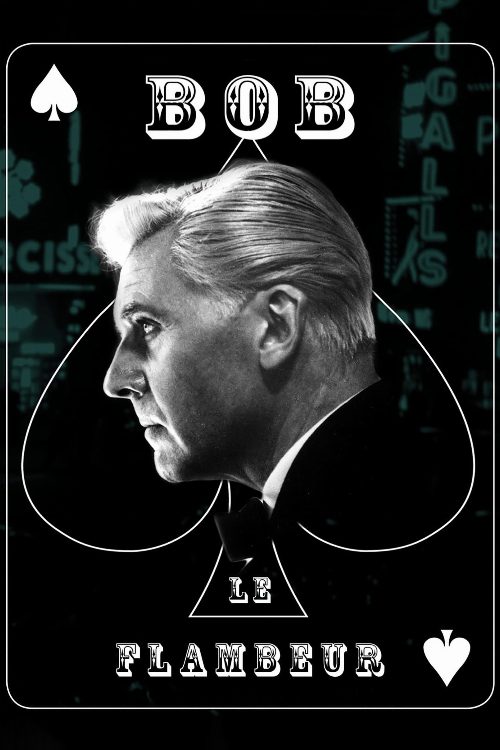
About Bob le Flambeur
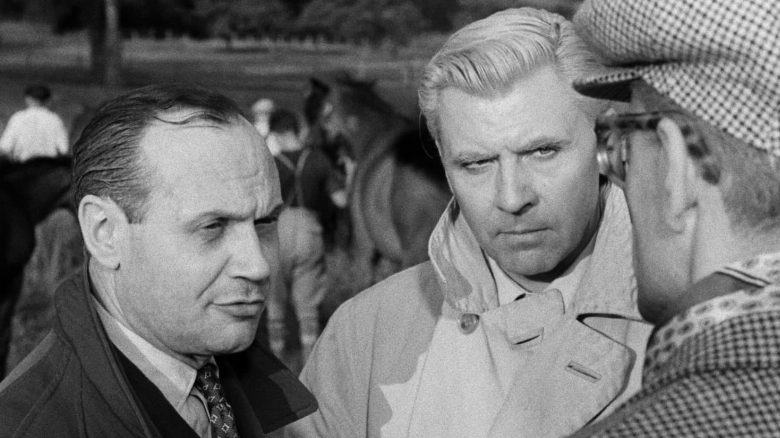
In Paris, Bob Montagne is practically synonymous with gambling -- and winning. He is kind, classy and well-liked by virtually everyone in town, including police inspector Ledru. However, when Bob's luck turns sour, he begins to lose friends and makes the most desperate gamble of his life: to rob the Deauville casino during Grand Prix weekend, when the vaults are full. Unfortunately, Bob soon learns that the game is rigged and the cops are on to him.
Jean-Pierre Melville redefined the aesthetics of the heist movie with his 1956 masterpiece Bob le Flambeur, a film that feels remarkably modern despite its vintage origins. While contemporary audiences might be accustomed to the high-octane, slick productions coming out of the Telugu or Hindi film industries, this French classic offers a masterclass in atmosphere and character-driven suspense. The story centers on an aging gambler whose life is defined by his reputation for sharp intuition and a certain suave resilience. When the tides of fortune shift against him, he pivots from playing the tables to orchestrating a daring operation against a prominent casino. What sets this narrative apart is not merely the mechanics of the crime, but the internal conflict of a man who adheres to an old-school code of conduct in a changing world.
For enthusiasts of global cinema who appreciate the stylistic DNA of modern noir, this film serves as an essential touchstone. It captures the essence of Parisian nightlife through a lens that is both gritty and elegant, mirroring the transition between traditional underworld loyalties and the encroaching scrutiny of the law. Fans of cerebral thrillers will find much to admire in how the director builds tension; the focus remains firmly on the psychological stakes rather than hollow spectacle. Much like the best character studies in Malayalam or Tamil cinema, the film relies on the charisma of its lead, Roger Duchesne, who imbues the protagonist with a world-weariness that makes his final, desperate plan feel deeply personal.
The film is positioned as a foundational work for anyone interested in the evolution of the caper genre. It avoids the tired tropes of typical crime dramas, instead opting for a cool, detached perspective that invites the viewer to observe the protagonist’s descent with a sense of inevitability. It is a perfect watch for those who enjoy slow-burn storytelling where every gesture and glance carries the weight of a looming consequence. By prioritizing style and mood over explosive action, Melville managed to create a timeless portrait of an outlaw who is ultimately a victim of his own romanticism. Whether you are a student of film history or simply someone seeking a sophisticated narrative that rewards patience, this classic remains as compelling today as it was at its debut.
Cast(11)