Cabaret Balkan(1998)
About Cabaret Balkan
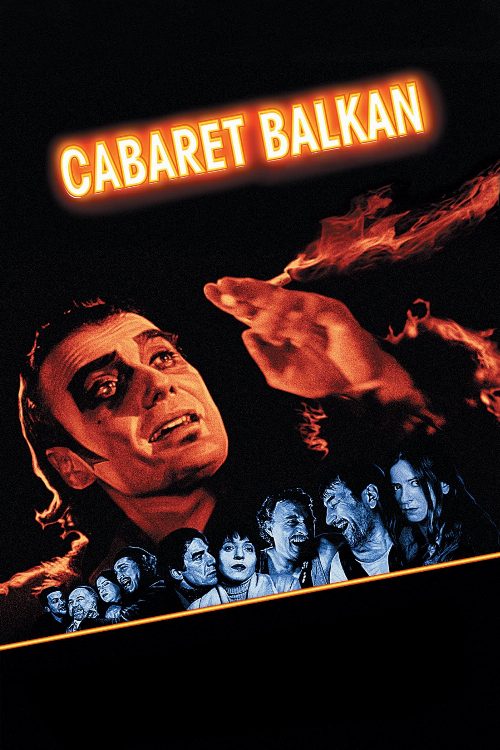
20 people's paths crisscross one night in violent mid-'90s Belgrade.
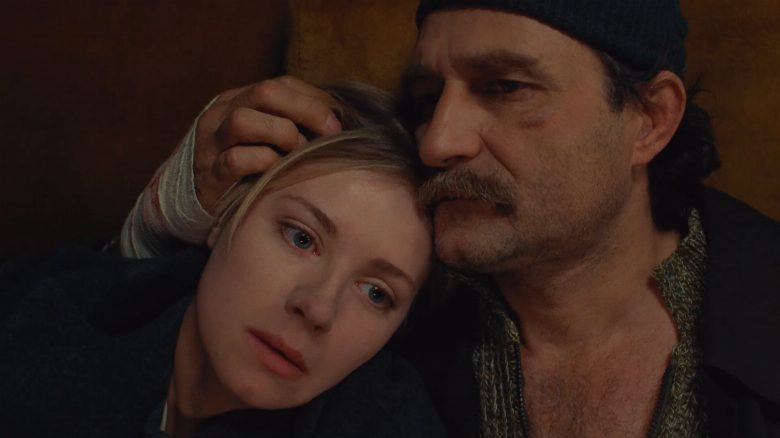
Few cinematic experiences capture the visceral disintegration of a society quite like Cabaret Balkan, a film that functions as a grim, pulsating mosaic of a city teetering on the edge of collapse. Set against the backdrop of mid-nineties Belgrade, the narrative weaves together the disparate lives of individuals whose paths collide during a single, chaotic night. Rather than offering a traditional linear progression, the film utilizes a kaleidoscopic structure to document the lingering trauma and pervasive aggression that defined the era. It is a stark departure from the polished storytelling often seen in contemporary regional Indian dramas, opting instead for a raw, unflinching look at the breakdown of civic morality. For viewers who appreciate the gritty, hyper-realistic tone found in the works of directors like Anurag Kashyap or the visceral intensity of Lijo Jose Pellissery, this production serves as a masterclass in atmospheric tension and ensemble performance.
The film relies heavily on the formidable presence of seasoned actors such as Danilo Bata Stojkovic and Dragan Nikolic, whose performances anchor the frantic energy of the plot. Their ability to embody the weariness and volatility of a population trapped in geopolitical instability provides a human pulse to the surrounding carnage. By focusing on how casual encounters can spiral into senseless violence, the director crafts a narrative that feels both localized to the Balkans and universally resonant for any culture navigating periods of intense internal strife. It is not a comfortable viewing experience, but it is an essential one for those interested in how cinema functions as a mirror for collective societal anxiety during historical turning points.
Audiences who gravitate toward high-stakes dramas that prioritize character psychology over conventional plot resolution will find much to dissect here. It is a work that demands active engagement, asking the viewer to piece together the implications of each confrontation as the night progresses toward an uncertain dawn. While the cultural context is rooted in the specific struggles of the nineties, the film speaks to the fragility of peace and the sudden, jarring shifts in human behavior when the social contract is shredded. Its enduring relevance lies in its refusal to offer easy answers or moral high ground, leaving the audience to confront the lingering shadows of a world where one bad decision can trigger a cascade of irreversible consequences. This is a vital piece of international cinema that remains as potent and unsettling today as it was upon its release.
Cast(30)