About Underground
A group of Serbian socialists prepares for the war in a surreal underground filled by parties, tragedies, love and hate.
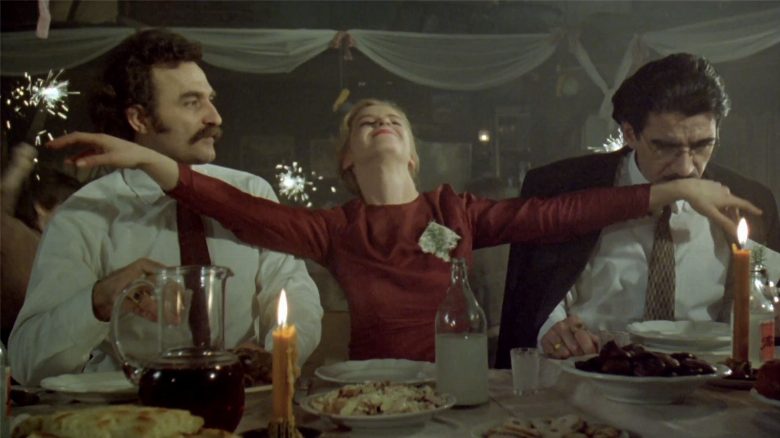
Emir Kusturica crafted a cinematic fever dream with Underground, a sprawling epic that serves as a visceral, darkly comedic mirror to the turbulent history of Yugoslavia. Rather than offering a dry historical account, the film opts for a chaotic, allegorical approach, trapping a group of individuals in a subterranean bunker while the world above descends into conflict. This premise functions as a brilliant metaphor for the manipulation of truth and the longevity of political illusions, marking the production as a standout in European arthouse cinema. Its unique blend of brass-heavy music, frantic pacing, and grotesque humor creates a sensory experience that feels simultaneously festive and deeply melancholic, capturing the absurdity of human endurance under the weight of shifting ideologies.
The film occupies a fascinating space in global cinema, particularly for audiences accustomed to the narrative traditions of Indian industries like the Malayalam or parallel Hindi circuits, where social commentary often weaves through surrealist elements. Much like the bold, experimental storytelling found in contemporary regional dramas that challenge political status quos, this Serbian masterpiece demands a spectator who appreciates nonlinear progression and layered symbolism. It is an ideal pick for cinephiles who enjoy works that are not afraid to be loud, messy, and uncompromising in their critique of nationalism and the cyclical nature of human folly. The sheer energy radiating from the performances and the relentless momentum of the direction make it a compelling watch for anyone interested in how tragedy and farce often collide in the shadow of total war.
Kusturica utilizes the underground environment to strip away the artifice of the surface world, forcing his characters to confront their desires and delusions in isolation. The cast, featuring stalwarts like Mirjana Jokovic and Slavko Stimac, delivers performances that lean into the heightened, almost operatic tone of the screenplay. By grounding the narrative in the personal relationships of people who have been lied to for decades, the director ensures the film remains anchored in human emotion despite its grand, sweeping scale. This is not merely a chronicle of a country falling apart but an examination of the lies we tell ourselves to survive. It remains a provocative piece of work that continues to resonate with modern viewers, offering a stark reminder of how history is often written, rewritten, and kept in the dark by those who stand to gain from the confusion.
Cast(34)