About Tito and Me
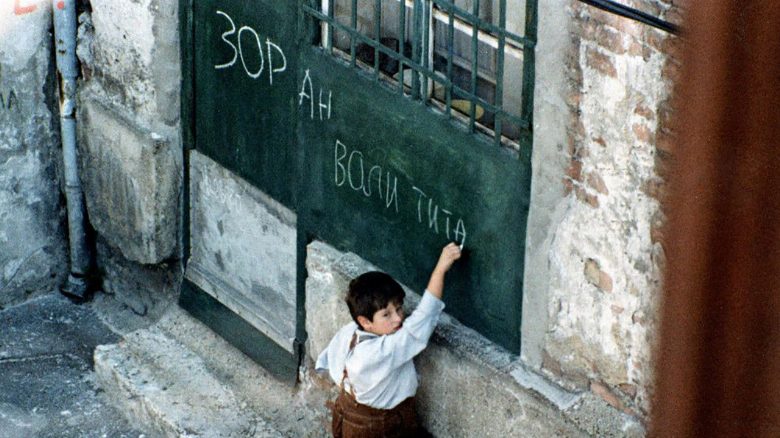
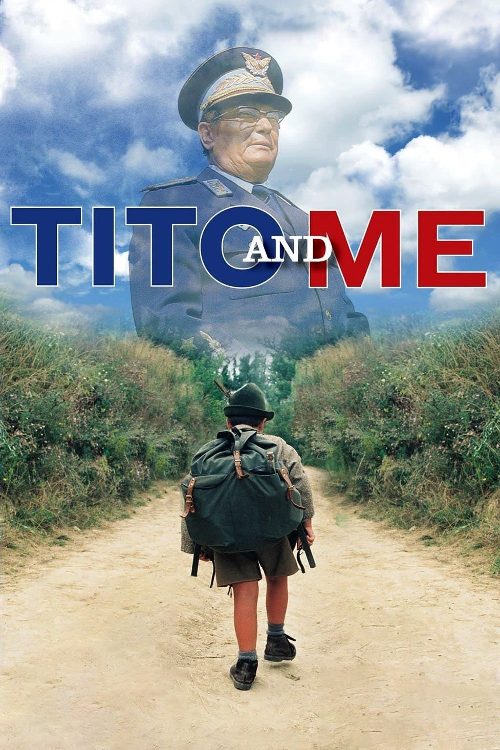
At his school, 10-year-old Zoran wins the competition for the best essay about Tito. His reward is participation in the march "Revolutionary trails" to Tito's hometown of Kumrovec.
Stepping back into the early nineties provides a fascinating lens through which to view the intersection of childhood innocence and heavy political iconography. Tito and Me stands as a quintessential example of how cinema can distill the complicated weight of a crumbling regime into the manageable, often hilarious, struggles of a young boy. While many films about historical shifts rely on somber tones, this production chooses the path of satirical comedy, positioning the titular leader not as a distant dictator but as an inescapable presence in every classroom and household. For fans of world cinema, it offers a rare glimpse into the specific cultural atmosphere of the former Yugoslavia, where the cult of personality was a lived reality for the youth.
The narrative centers on a young protagonist who finds his life transformed after penning a glowing composition about the national figurehead. What follows is a journey that functions as both a coming of age story and a sharp critique of the indoctrination prevalent at the time. By focusing on the journey to a pilgrimage site, the film highlights the gap between the monumental expectations placed on the younger generation and the messy, mundane truth of their actual lives. It is a work that resonates with anyone interested in how autocratic systems attempt to shape the identity of children, though it handles these themes with a light touch that makes the history feel accessible rather than academic.
The strength of the film lies in its ensemble cast, which anchors the whimsical premise in genuine, relatable human behavior. The performances capture the tension between the public performance of loyalty and the private confusion of a boy trying to navigate a world that is rapidly changing. Director Goran Markovic demonstrates a keen eye for balancing period-accurate detail with a universal sense of wonder and disillusionment. Those who appreciate character-driven storytelling will find much to admire here, as the film avoids becoming a dry history lesson in favor of a vibrant, observational style. It is a must-watch for cinephiles who seek out stories where personal growth happens against the backdrop of shifting global landscapes, proving that the most profound political statements are often made through the simplest of human stories. Whether you are a scholar of European film or simply looking for a clever piece of storytelling, this classic remains a compelling study of how the past lingers in the minds of those who grew up under its shadow.
Cast(20)