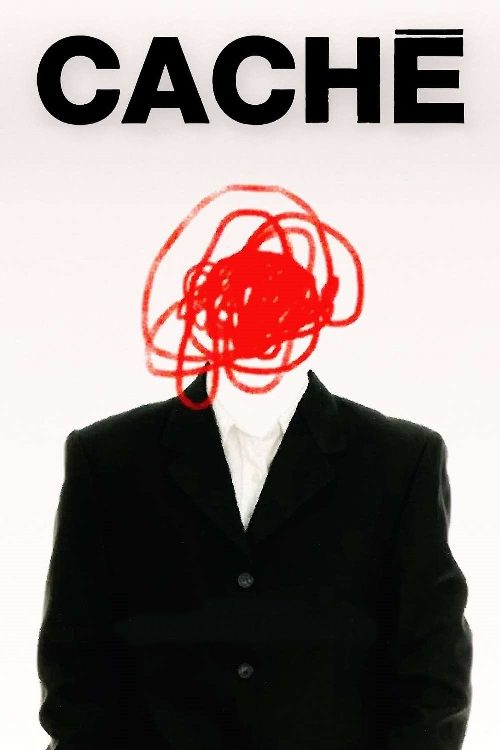
Caché(2005)
“Hidden within.”
About Caché
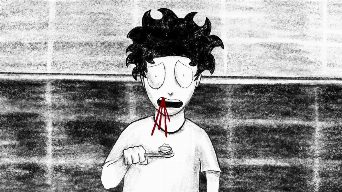
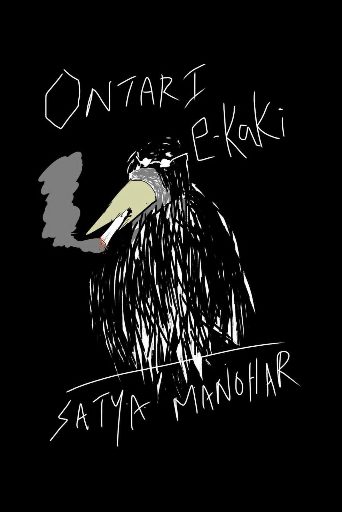
George, host of a television show focusing on literature, receives videos shot on the sly that feature his family, along with disturbing drawings that are difficult to interpret. He has no idea who has made and sent him the videos. Progressively, the contents of the videos become more personal, indicating that the sender has known George for a long time.
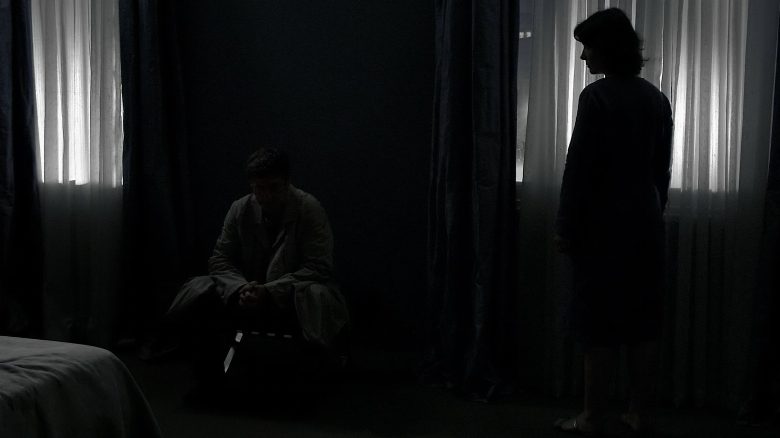
A chilling enigma unfolds when anonymous surveillance tapes begin arriving, transforming a comfortable Parisian life into a labyrinth of suspicion and dread. Caché, the 2005 French masterpiece directed by Michael Haneke, plunges its audience into the unsettling reality of Georges Laurent, a literary critic and television presenter whose seemingly ordered existence is shattered by cryptic packages. These unsolicited films, showcasing his family in their most private moments alongside disturbing, childlike drawings, represent an invasion of privacy so profound it blurs the lines between observer and perpetrator, reality and paranoia. The film masterfully crafts a sense of unease not through jump scares or overt violence, but through the insidious implication of being watched, forcing Georges and the viewer alike to question the origins of this torment and the secrets it might unearth.
This potent psychological thriller taps into universal anxieties about hidden histories and the fragility of perceived security, resonating deeply within the current global cinematic landscape that often explores themes of surveillance and digital voyeurism. While French cinema has a rich tradition of cerebral dramas and character studies, Caché distinguishes itself with its stark, unflinching gaze and its refusal to offer easy answers. Haneke, a director known for his rigorous style and challenging narratives, here crafts a film that is as intellectually stimulating as it is emotionally unsettling. The brilliance lies in its slow burn, meticulously revealing layers of potential motive and past transgression without ever fully demystifying the central mystery, leaving a lasting impression of disquiet.
Viewers who appreciate films that prioritize atmosphere and psychological depth over conventional plot resolutions will find Caché immensely rewarding. It is a film for those who enjoy unraveling complex human motivations and grappling with moral ambiguity. Juliette Binoche, as Georges' wife Anne, delivers a performance of quiet strength and growing desperation, anchoring the emotional core of the narrative as the consequences of the unseen antagonist's actions ripple through their relationship. The film invites contemplation on societal guilt, the unacknowledged consequences of past actions, and the unsettling realization that the most dangerous threats can often originate from within our own histories, unseen and unacknowledged until it is too late.
Cast(24)