About Can You Hear Me?
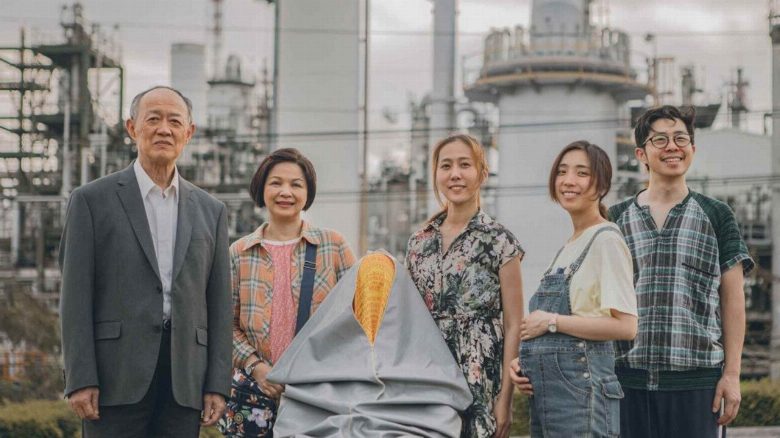
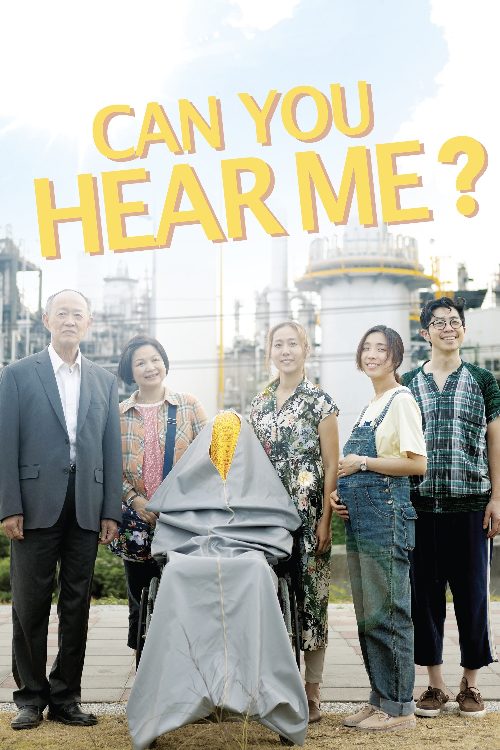
Jhong wakes up and finds himself dead. He watches his remaining family members dealing with his death while they speak their thoughts over breakfast. Although his wife can't hear what he has to say, she comprehends what's on his mind.
Nyssa Li's Can You Hear Me? offers a spectral perspective on the immediate aftermath of loss, a viewpoint rarely explored with such intimate detail. The film invites us to witness the quiet, often unspoken, grief of a family through the eyes of a departed patriarch, Jhong, who finds himself an observer of his own wake. This unique premise allows for a profound exploration of communication, both the spoken and the profoundly felt, as Jhong grapples with his new, disembodied existence and the ways his loved ones navigate their sorrow. What sets this drama apart is its gentle, observational approach, eschewing grand pronouncements for the subtle nuances of everyday interactions, suggesting that connection transcends even the veil of death.
While this is a Mandarin-language film, its themes of family, memory, and the enduring power of love resonate universally, making it a compelling watch for anyone drawn to poignant character studies. Viewers who appreciate slow-burn narratives that prioritize emotional depth over plot-driven action will find themselves deeply engaged. The film appears to be positioned as a thoughtful meditation on what it means to be truly heard and understood, even when physical presence is no longer possible. For those familiar with Taiwanese cinema, Nyssa Li’s direction promises a sensitive and insightful portrayal, building on a tradition of heartfelt family dramas that often dissect complex emotional landscapes with remarkable grace.
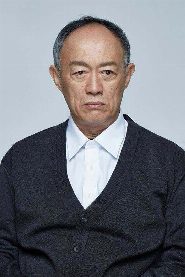
Can You Hear Me? is likely to appeal to audiences seeking a film that encourages introspection and fosters empathy. It’s a story that doesn't shy away from the pain of separation but finds solace in the lingering bonds that tie people together. The presence of seasoned actors like King Shih-Chieh and Yang Kuei-mei, who are no strangers to delivering nuanced performances, further suggests a film rich in emotional authenticity. This is a cinematic experience designed to linger long after the credits roll, prompting viewers to consider the invisible threads that connect us to those we hold dear.