About Cannibal Holocaust
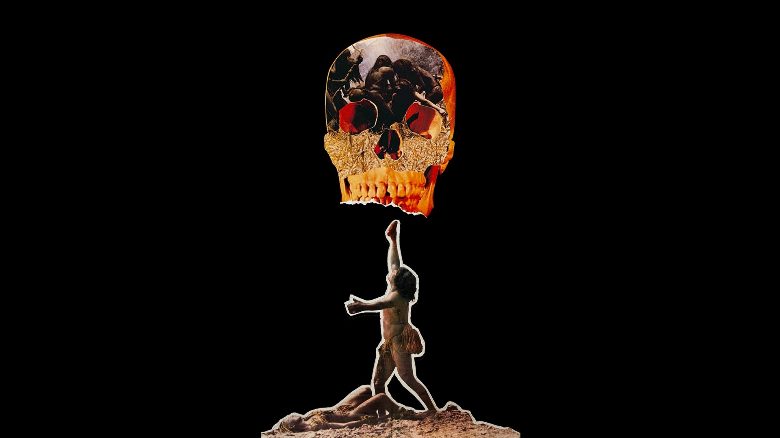
A New York University professor returns from a rescue mission to the Amazon rainforest with the footage shot by a lost team of documentarians who were making a film about the area's local cannibal tribes.
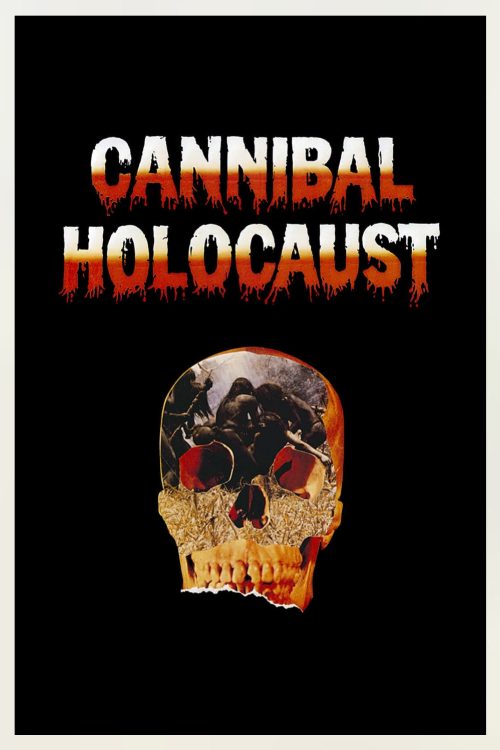
Few films in the history of global cinema have ignited as much fervent debate and legal scrutiny as Ruggero Deodato’s 1980 shocker, a production that remains a touchstone for the boundaries of visceral filmmaking. While modern audiences are accustomed to the found footage aesthetic that dominates contemporary horror, this Italian cult classic essentially pioneered the technique by blurring the lines between staged fiction and disturbing realism. The narrative structure, which centers on a professor attempting to locate a missing film crew in the South American jungle, serves as a grim vessel for a biting critique of media sensationalism and the unethical exploitation of indigenous cultures. By presenting the recovered reels as authentic evidence, the director crafted an experience so convincing that it famously led to his own arrest as authorities struggled to distinguish his art from actual criminal activity.
Beyond its reputation for extreme imagery, the movie stands as a significant artifact of the grindhouse era, reflecting a time when international cinema was testing the limits of the viewer experience. Its legacy is deeply intertwined with the evolution of the mockumentary subgenre, influencing countless filmmakers who sought to capture the same raw, unsettling energy. For those interested in the darker annals of cinematic history, this work is less about conventional horror and more about the psychological discomfort of witnessing what the camera captures when morality is abandoned in the name of a compelling story. It remains a polarizing piece of work that demands a strong stomach and a scholarly interest in how movies can manipulate reality.
The film is specifically recommended for dedicated students of horror and those fascinated by the technical ingenuity of low-budget genre productions. While it is certainly not for the faint of heart, it provides a crucial look at how the genre has historically challenged the audience to question the ethics of the lens itself. Its influence can be felt in later hits like The Blair Witch Project, which adopted the same conceit of lost media to build tension. As we look at how Indian cinema has recently embraced bold, experimental narratives that push past traditional boundaries, it is worth revisiting such controversial foundations. This picture serves as a stark reminder of the power of the medium to provoke, offend, and redefine the expectations of viewers around the world, securing its place as an essential, albeit contentious, pillar of terror-focused storytelling.
Cast(12)











Crew
Editor
Original Music Composer
Story
Producer
Production Design
Sound Mixer
Production Manager
Makeup Artist
Boom Operator
Similar Films