Capitu(1968)
About Capitu
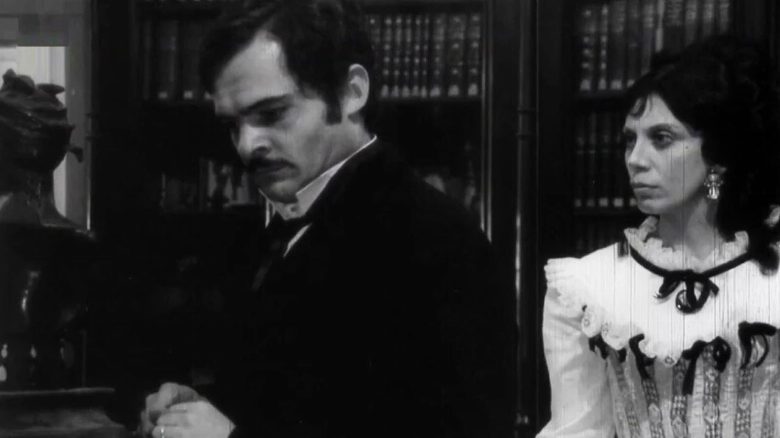
Adaptation of Machado de Assis’s classic novel “Dom Casmurro”. Bentinho and Capitu are friends since childhood and end up marrying. But Bentinho destroys his life when he starts suspecting Capitu has an affair with his best friend and that his son is not really his.
Cinema enthusiasts often find themselves drawn to literary classics that challenge our perceptions of truth and memory, and the 1968 Brazilian drama Capitu serves as a masterclass in this psychological tension. By bringing Machado de Assis’s legendary novel Dom Casmurro to the screen, director Paulo Cesar Saraceni invites us into a stifling atmosphere of domestic paranoia where the central question is not what happened, but how a fractured mind interprets reality. Unlike many contemporary adaptations that aim for straightforward period spectacle, this film leans heavily into the subjective instability of its protagonist. It operates as a haunting portrait of jealousy that feels remarkably relevant today, mirroring the complex character studies often seen in the high-stakes emotional dramas of modern Indian parallel cinema, such as the works of Satyajit Ray or Adoor Gopalakrishnan, where silence and subtext speak louder than dialogue.
The narrative centers on the lifelong bond between Bentinho and the titular heroine, a relationship that shifts from innocent childhood devotion to a suffocating marriage marred by suspicion. As Bentinho becomes convinced of a betrayal involving his closest companion, the audience is forced to navigate his deteriorating mental state. Isabella Cerqueira Campos delivers an enigmatic performance that keeps the viewer perpetually guessing, effectively capturing the elusive nature of the character who has long been a subject of intense debate in Latin American literature. For those who appreciate films that prioritize character psychology over traditional plot progression, this production offers a deep dive into the corrosive power of doubt. It acts as a mirror to the societal pressures of its era, highlighting how rigid gender roles and class expectations can turn a private romance into a public tragedy.
Viewers who enjoy slow-burn dramas that reward careful observation will find much to admire here. The film excels at turning a domestic setting into a claustrophobic cage, making it an essential watch for students of world cinema looking to understand how 1960s Brazilian filmmakers experimented with narrative perspective. While it remains a cornerstone of Portuguese-language film history, its themes of insecurity and the fallibility of human perception are universal. Those who follow the current trend of psychological thrillers in global cinema will recognize the DNA of this classic in many modern stories that question the reliability of the narrator. It is a sophisticated piece of art that demands an active, skeptical viewer, positioning itself as a timeless exploration of how easily we can construct a prison out of our own fears.