About Carandiru
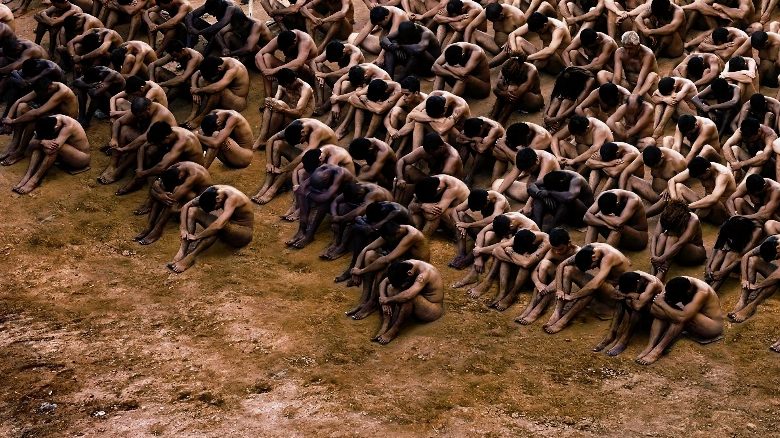
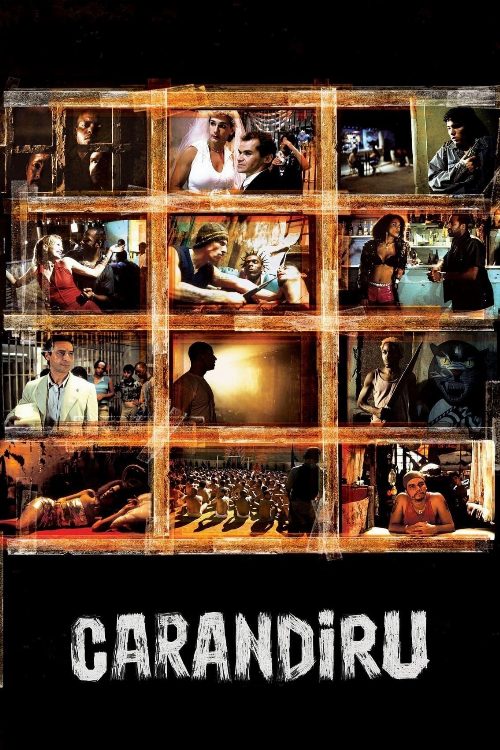
When a doctor decides to carry out an AIDS prevention program inside Latin America’s largest prison: the Casa de Detenção de São Paulo - Carandiru, he meets the future victims of one of the darkest days in Brazilian History when the State of São Paulo’s Military Police, with the excuse for law enforcement, shot to death 111 people. Based on real facts and on the book written by Dráuzio Varella.
Few films manage to capture the claustrophobic intensity of institutional collapse quite like Hector Babenco does in his harrowing masterpiece Carandiru. Rather than relying on the typical tropes of the prison subgenre, the narrative functions as a sprawling, empathetic tapestry of human existence within the walls of a facility that was designed to house thousands but ended up swallowing an entire society. By focusing on a physician who enters the complex to lead a medical initiative, the film positions the viewer as an outsider looking in, mirroring the perspective of Dráuzio Varella, whose own literary chronicle serves as the foundation for this visceral cinematic experience. This choice allows the audience to witness the humanity of the inmates before the shadow of the inevitable state intervention looms over the narrative, making the encroaching tragedy feel deeply personal rather than just a historical statistic.
For fans of global cinema, particularly those who follow the gritty realism often found in contemporary Indian parallel cinema or the hard-hitting social dramas coming out of the Malayalam and Tamil industries, this film serves as a sobering touchstone. It shares a thematic kinship with projects that prioritize systemic critique over stylized violence, emphasizing the dignity of individuals trapped in circumstances beyond their control. The film is remarkably effective because it refuses to reduce its ensemble to mere archetypes, instead dedicating time to the intricate social hierarchies and personal histories that thrive in the absence of traditional legal order. It is an essential watch for those who appreciate cinema that acts as a mirror to society, challenging the audience to confront the failures of the justice system and the resilience of the human spirit under extreme duress.
Hector Babenco brings a seasoned sensibility to this production, ensuring that the sheer scale of the prison never overwhelms the intimacy of the character studies. As the story unfolds, the doctor becomes a conduit for stories that are often ignored or suppressed, effectively bridging the gap between the chaotic life inside the compound and the indifferent world outside. It is a haunting exploration of life, survival, and the fragility of peace, positioned firmly as a landmark of Latin American storytelling. Viewers who gravitate toward films that balance historical gravity with raw, unfiltered performance will find this to be a profound addition to their watch list. It remains a powerful reminder of how artistic vision can illuminate the darkest corners of human history without losing sight of the individuals who lived through them.
Cast(36)