Carrie(1952)
About Carrie
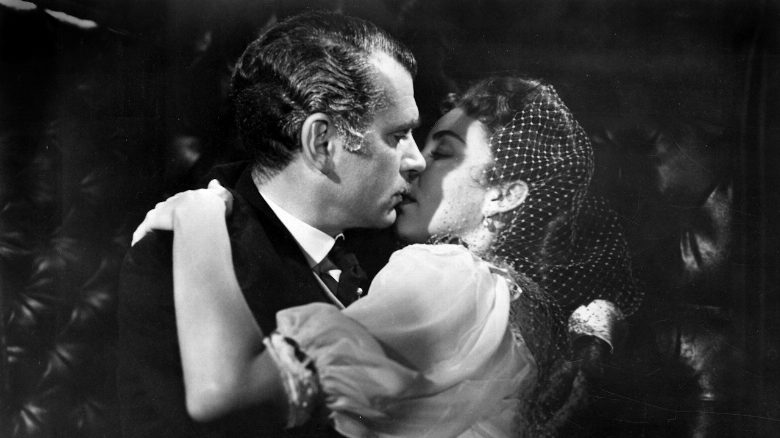
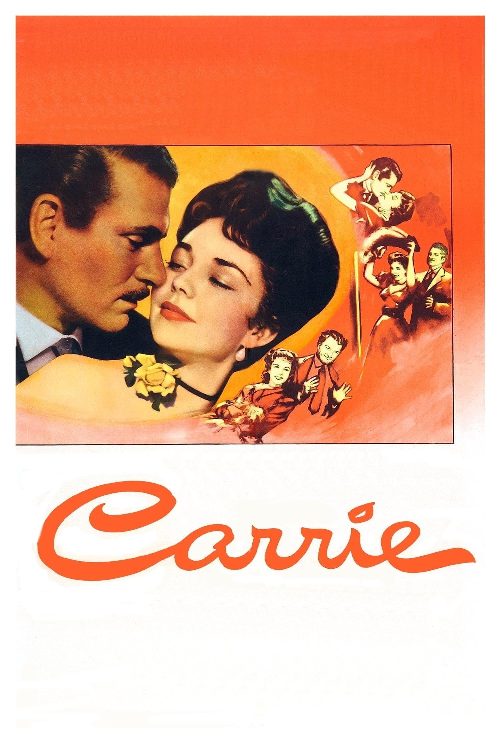
In the late 1890s, the ambitious, innocent Carrie arrives in Chicago’s South Side and stays with her nagging, dullish married sister. She then runs for help to traveling salesman Charles Drouet. She soon becomes his mistress, but falls in love with married restaurant manager George Hurstwood.
Stepping away from the vibrant, high-octane spectacles currently dominating the global cinematic landscape, revisiting the 1952 adaptation of Carrie offers a fascinating study in character-driven period drama. Set against the backdrop of the rapidly industrializing American Midwest at the turn of the century, the film captures a pivotal moment of transition where traditional moral boundaries collided with the allure of urban opportunity. For audiences accustomed to the sweeping emotional arcs found in contemporary Telugu or Hindi melodramas, this narrative of a young woman navigating the treacherous social hierarchies of Chicago will feel surprisingly resonant. It echoes the familiar tropes of migration, the search for identity, and the compromises made in the pursuit of a better life, themes that remain as potent today as they were during the golden age of Hollywood.
The core of the story hinges on the precarious choices made by its protagonist after she leaves her rural roots for the bustling complexity of a major city. Rather than relying on overt action, the film leans into the subtle tension of societal expectations and the entanglements that arise when passion clashes with economic necessity. The dynamic between the naive newcomer, a charismatic but superficial salesman, and a sophisticated man trapped in an unhappy marriage creates a psychological triangle that keeps the viewer engaged without needing explosive set pieces. It is a masterclass in restrained storytelling, where the stakes are deeply personal rather than grandiosely epic, making it an excellent recommendation for viewers who appreciate the slow-burn character studies often found in the best of Malayalam independent cinema.
While this production predates the modern technical wizardry we expect from today's marquee releases, its value lies in its atmosphere and the sincerity of its performances. It serves as a stark reminder that stories about the vulnerability of the individual within a rigid, judgmental society are universal. Those interested in the historical evolution of the romantic drama will find much to admire here, as it lays bare the harsh realities of reputation and survival in a way that feels both timeless and grounded. Whether you are a student of classic film history or simply a fan of narratives that prioritize human fragility over spectacle, this feature provides a contemplative journey through the complexities of desire and the high cost of seeking personal fulfillment in a world that demands conformity.
Cast(36)