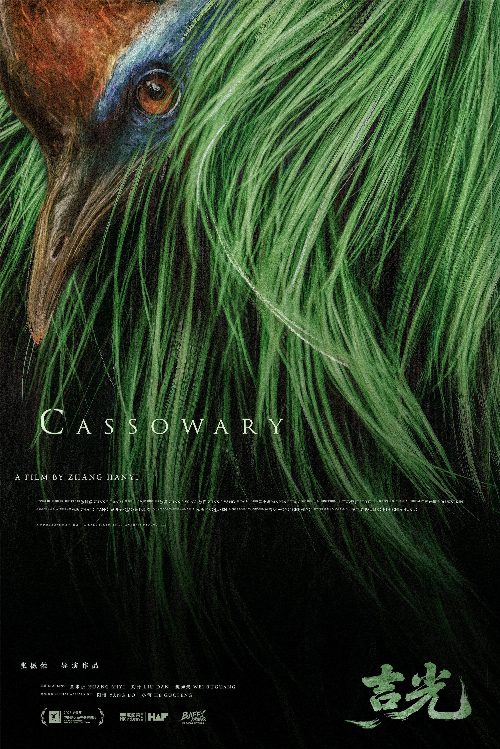
Cassowary(2026)
About Cassowary
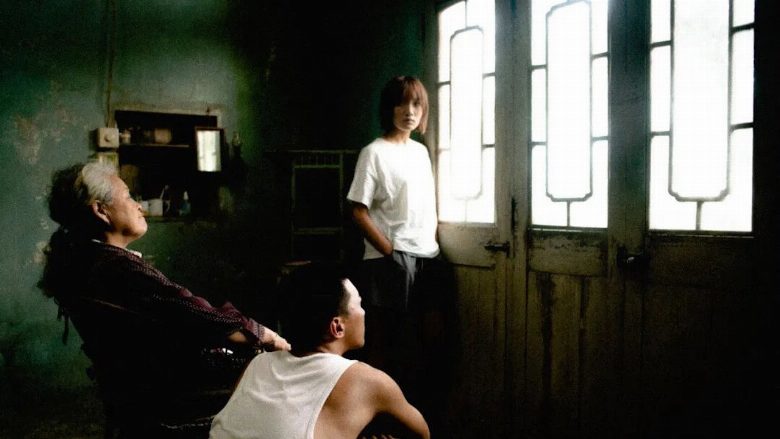
Three generations of women — grandmother, mother and daughter — live in a house on a remote island. The grandmother remains silent all day long, while the mother drowns her sorrows in alcohol. The younger brother never truly grows up. The daughter Su Min chooses to leave and works as a bird scarer at an airport. After a fire breaks out at home, she returns to the island with tangled emotions. The arrival of a mysterious fire-eating bird shatters the long-standing peace, gradually unearthing the family’s long-buried secrets and repressed feelings.
Cassowary, slated for a 2026 release, arrives with the promise of a deeply introspective drama that eschews typical narrative structures for a more atmospheric and thematic exploration of familial bonds and the weight of unspoken truths. Set against the stark beauty of a remote island, the film centers on three generations of women grappling with their own forms of isolation and sorrow. The grandmother's persistent silence, the mother's solace found in drink, and the presence of a perpetually childlike younger brother paint a poignant picture of a household steeped in unspoken history. The narrative pivots with the daughter, Su Min, who seeks an escape from this suffocating environment, finding a solitary existence as a bird scarer at an airport. Her return, however, catalyzed by a domestic tragedy, forces a confrontation with the very life she tried to leave behind.
What sets Cassowary apart is its intriguing use of magical realism, introducing a mysterious fire-eating bird that acts as a catalyst for uncovering the family's hidden past. This surreal element suggests a departure from conventional realism, hinting at a film that uses symbolism and metaphor to delve into the psychological landscape of its characters. The arrival of this fantastical creature appears to be the narrative engine that will dismantle the carefully constructed facade of normalcy, exposing buried secrets and long-suppressed emotions. This approach hints at a directorial vision that prioritizes emotional resonance and thematic depth over straightforward plot progression, a characteristic often found in art-house cinema aiming for broader cultural commentary.
Viewers who appreciate character-driven narratives, slow-burn storytelling, and films that explore the complexities of intergenerational trauma will likely find themselves drawn to Cassowary. Its focus on internal struggles and the quiet desperation of its characters suggests a film that requires patience and a willingness to engage with subtle nuances. While the specific director and lead actors, Yang Bo and Ruguang Wei, may not be widely recognized globally, their involvement in a project of this nature could signal a commitment to artistic integrity and a desire to explore challenging themes. Cassowary looks set to offer a compelling, albeit potentially somber, cinematic experience for those seeking a thoughtful examination of family dynamics and the enduring power of the past.