About Children of the Otherside
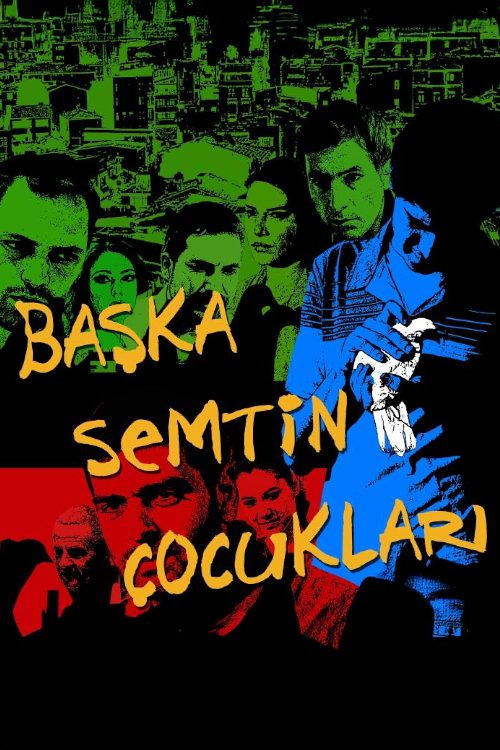
Semih, who was discharged from the army a month early for his "heroism" in operations in the southeast, encounters his brother's funeral on the day he returns from the army. When he sets out to find his brother's killer, Semih is drawn into another battle filled with difficult questions. As he searches for the truth, he will realize that what was lost was not just his brother's life, but also the harsh reality of lives doomed to be lost in "The Other Istanbul," fueled by anger and helplessness.
Turkish cinema has long excelled at bridging the gap between gritty urban realism and high-stakes genre storytelling, and Children of the Otherside stands as a compelling testament to that tradition. Directed by Aydin Bulut, this 2008 production plunges headfirst into the fractured psyche of a soldier returning home only to find that the battlefield he thought he left behind has migrated to the streets of Istanbul. While many films explore the immediate aftermath of military service, this narrative chooses to focus on the suffocating cycle of vengeance and the social displacement that often goes ignored in more mainstream action dramas. By centering the story on a protagonist who returns to a landscape of grief, the film offers a sobering look at how systemic violence ripples through families long after the smoke clears.
The film serves as a stark reminder of the cultural tensions present in the Turkish landscape during the late two thousands, where the stark divide between different social classes fueled a unique brand of crime drama. Rather than relying solely on the spectacle of action sequences, Bulut utilizes the performances of Eysan Ozhim, Mehmet Ali Nuroglu, and Ismail Hacioglu to ground the story in a palpable sense of urban alienation. The narrative feels less like a traditional revenge thriller and more like a character study of a man trapped between his duty as a soldier and his desire for personal justice. It is this thematic depth that separates the project from generic vigilante stories, positioning it as an essential watch for those who appreciate world cinema that refuses to offer easy moral clarity or simplified solutions to complex societal issues.
Audiences who enjoy the moody atmosphere of neo-noir combined with the emotional weight of a family tragedy will find much to admire here. The cinematography captures a version of Istanbul that feels intentionally claustrophobic, reflecting the internal turmoil of a protagonist who finds himself an outsider in his own hometown. For viewers interested in the evolution of Turkish genre filmmaking, this title provides a window into a period where directors were increasingly experimenting with how to blend hard-hitting action with poignant social commentary. It is a demanding, visceral experience that challenges the viewer to look beyond the surface of a crime story and into the dark, hidden pockets of a city where anger is often the only currency left for those living on the margins of society.