About Cidade Ameaçada
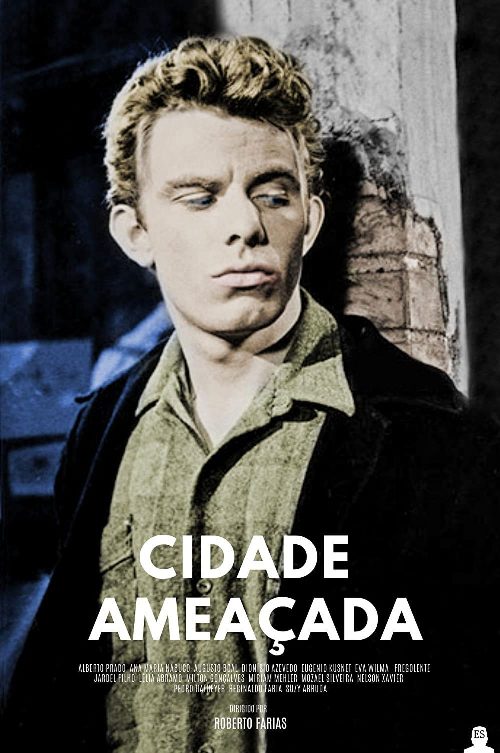
Based on true events, the film tells the story of Brazilian outlaw Promessinha, one of the most famous and feared criminals of his time, depicting his crimes and cruelty, until his death confronting the police.
The mid-twentieth century was a transformative era for Brazilian cinema, marked by a gritty shift toward realism that mirrors the evolution we see in today’s hard-hitting Indian crime dramas. Cidade Ameacada stands as a seminal piece of this transition, capturing the atmospheric tension of an urban landscape under siege by a notorious criminal figure. While modern audiences in the Telugu or Hindi film industries are accustomed to the larger-than-life portrayals of anti-heroes, this 1960 feature offers a raw and unvarnished look at the rise of a feared outlaw. By grounding its narrative in the harsh realities of the streets rather than the stylized bravado of contemporary action cinema, director Roberto Farias crafts a chilling character study that remains relevant to anyone interested in the history of the crime thriller genre.
The film explores the life of Promessinha, a man whose name once commanded terror across the region, tracing his trajectory from petty transgressions to violent confrontations with law enforcement. This is not merely a tale of villainy but a clinical examination of the sociopolitical conditions that allow such figures to thrive in the shadows of a growing metropolis. Fans of intense, character-driven narratives, such as those found in the gritty underworld sagas of Tamil or Malayalam cinema, will appreciate how the production eschews melodrama for a more direct, documentary-style urgency. The performances by Jardel Filho and Reginaldo Faria provide a stark, grounded anchor for the film, effectively humanizing the chaos without falling into the trap of glorifying the brutality on display.
For the modern cinephile, this picture serves as an essential bridge between classical storytelling and the visceral, socially conscious thrillers that dominate global screens today. It functions as a precursor to the modern gangster epic, proving that the fascination with the criminal mind is a universal language that transcends geography and time. Those who enjoy dissecting the motivations of complex antagonists will find plenty to engage with here, as the film carefully avoids offering simple moral justifications for the protagonist’s descent. As a piece of historical cinema, it invites us to witness the early efforts of a director who understood that the most compelling thrillers are those that feel dangerous to watch. It remains a must-see for viewers who seek out cinema that challenges the status quo, offering a gripping look at the friction between the law and those who choose to live entirely outside of it.