About Close-Up
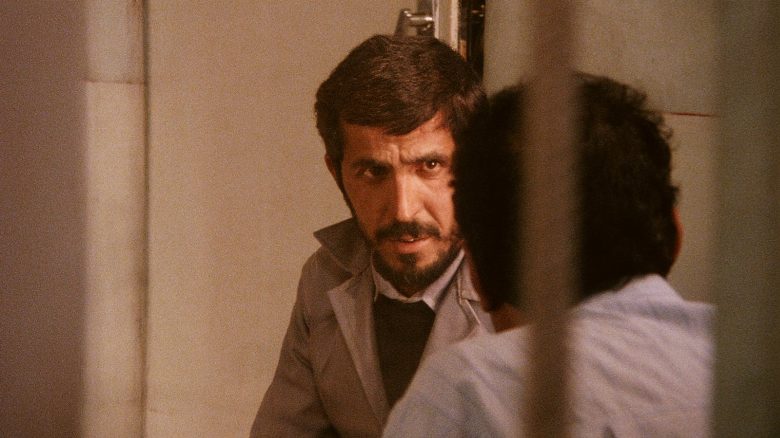
This fiction-documentary hybrid uses a sensational real-life event—the arrest of a young man on charges that he fraudulently impersonated the well-known filmmaker Mohsen Makhmalbaf—as the basis for a stunning, multilayered investigation into movies, identity, artistic creation, and existence, in which the real people from the case play themselves.
Few cinematic endeavors manage to blur the lines between reality and artifice as seamlessly as the Iranian masterpiece Close Up. Directed by Mohsen Makhmalbaf, the film tackles the bizarre true story of a cinephile who convinces a family that he is a famous director, leading to his eventual arrest and trial. By casting the actual individuals involved in the legal proceedings to reenact their own lives, the production transcends the standard crime drama genre. It evolves into a profound philosophical inquiry, forcing the audience to question where the persona ends and the authentic self begins. For those who follow the evolution of world cinema, especially the tradition of Iranian neorealism, this work remains a seminal reference point for its innovative use of the camera as both a witness and a participant in the narrative.
Within the broader landscape of global film history, this project stands as a daring experiment that continues to influence contemporary directors who seek to deconstruct the medium itself. While Indian cinema often leans into high-concept melodrama or stylized action, the quiet, observational intensity found here offers a compelling contrast for viewers who appreciate intellectual rigor. It is not merely a chronicle of a deception but a deep dive into the human desire for recognition and the transformative power of storytelling. The film acts as a mirror for anyone who has ever felt the weight of their own aspirations, capturing the bittersweet intersection of dreams and social reality.
Viewers who enjoy films that challenge the traditional boundaries of storytelling will find this mandatory viewing. It is particularly suited for fans of meta-cinema or those interested in the psychological underpinnings of why we attach such importance to celebrities and the arts. Because it refuses to offer easy answers or moral judgments, the experience is uniquely haunting and intellectually stimulating. Whether you are a student of film theory or simply a fan of stories that peel back the layers of human identity, this work provides a rare window into the soul of the creative process. Its legacy endures because it reminds us that, in the right light, life is a performance that we are all constantly directing and starring in simultaneously.
Cast(17)