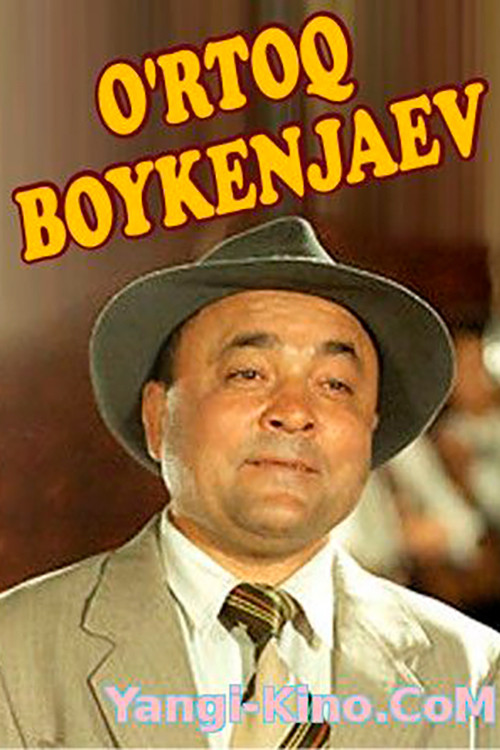
Comrade Boykenjaev(2002)
About Comrade Boykenjaev
In the late 1990s, in a small town in Uzbekistan, during the last communist winter, the city authorities decided to establish the world's first internationalist cemetery, where all religions could coexist. Comrade Boykenjaev, an active Party member, was assigned the task. The problem arose when the local Party leader ordered the first burial ceremony to take place on the same day as the cemetery's inauguration. Boykenjaev must then find a corpse...
The pursuit of bureaucratic perfection often leads to absurd complications, a theme captured with sharp wit in the 2002 Uzbek production Comrade Boykenjaev. Set against the fading backdrop of the post-Soviet era, the narrative centers on an earnest local official tasked with a bizarre mission by his superiors. As the regional administration attempts to construct a landmark interfaith burial ground, the protagonist finds himself trapped in a logistical nightmare when a high-profile opening ceremony demands an immediate occupant for the new facility. This premise serves as a satirical lens through which the film examines the remnants of Soviet-style governance, where the pressure to meet arbitrary quotas often clashes with the harsh realities of life and death.
For enthusiasts of global cinema who appreciate the dry, deadpan humor found in works from Central Asia or Eastern Europe, this film offers a fascinating look at a specific historical transition. While the Indian film industry frequently explores social bureaucracy through high-energy drama or musical commentary, Comrade Boykenjaev takes a more understated, observational approach. It mirrors the sensibilities of tragicomedies that prioritize character-driven dilemmas over grand spectacle. The performance of Seydulla Moldakhanov stands out as he navigates the mounting frustration of a man trying to maintain dignity while performing an increasingly ridiculous duty. The film excels by focusing on the small-town dynamics that reflect broader political shifts, making it a compelling watch for those interested in stories that find humor in the most solemn of circumstances.
The film is particularly well-suited for viewers who enjoy political satire that relies on situational irony rather than overt slapstick. By grounding its narrative in the specific cultural landscape of late nineties Uzbekistan, the story provides an immersive experience that feels both localized and universally relatable. The direction captures the quiet irony of the period, ensuring that the audience feels the weight of the protagonist's impossible assignment without ever losing the comedic thread. It is a testament to the power of regional storytelling to turn a singular, surreal premise into a poignant reflection on society and the often illogical demands of authority. Whether one is drawn to historical explorations or simply enjoys a well-crafted character study, this production remains a notable example of the creative potential within the Uzbek film landscape during a time of immense change.