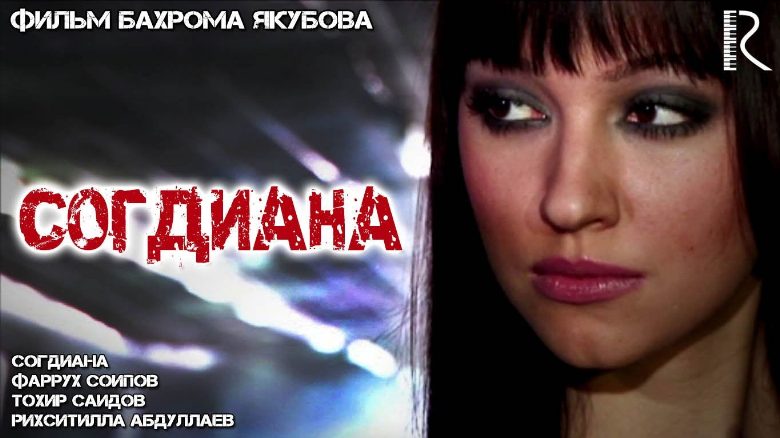

Sogdiana(2006)
About Sogdiana
Rustam is a handsome and rich young man. In the afternoon he leads his company, and at night he goes to clubs and parties, where he always gets a good drink and a lot of girls. He likes this way of life until he meets Sogdiana, an attractive dancer who was adopted as a child by a former prisoner. Sogdiana loves her stepfather and says that she will never leave him. Between Rustam and Sogdiana, passion flares up, and they decide to marry. But this does not interfere with the family of a rich guy, and the stepfather of Sogdiana is an alcoholic with disabilities. Rustam's desire to be so strong with Sogdiana that he decides to kill, stepfather Sogdiana
The 2006 Uzbek drama Sogdiana captures a specific moment in Central Asian cinema where the collision between traditional family values and the allure of modern urban excess became a central narrative focus. By centering the story on the unlikely intersection of an affluent, nightlife-obsessed executive and a dancer shaped by a humble, challenging upbringing, the film explores the volatile nature of class conflict and personal obsession. It serves as a stark reminder of how rapidly shifting social landscapes can dismantle long-held domestic loyalties. For audiences familiar with the emotionally charged storytelling of Indian regional industries like the Telugu or Tamil film worlds, this movie will feel surprisingly resonant in its exploration of love as a force that demands everything from its participants.
At the heart of the film is the juxtaposition of two vastly different worlds. Rustam embodies the rapid modernization of his city, navigating a life of business success and nocturnal indulgence, yet he finds himself completely derailed by his fixation on Sogdiana. Her character provides the emotional anchor of the narrative, defined by an unwavering dedication to the man who raised her despite his personal struggles with physical disability and addiction. This creates a compelling tension that forces the viewer to question whether true devotion is a virtue or a tragic flaw. The performances, particularly those of the lead cast, lean into the melodrama inherent in such high-stakes emotional conflicts, elevating the script beyond a standard romantic arc into a darker investigation of possessiveness.
Viewers who gravitate toward character-driven dramas that prioritize intense psychological motivations over polished spectacle will find this piece particularly engaging. It avoids the glossy, sanitized tropes of typical romantic cinema, opting instead for a gritty, uncompromising look at how desperation can lead individuals down dangerous paths. The film functions as a time capsule of mid-2000s regional filmmaking, where the influence of classic moral tales was increasingly being filtered through the lens of modern social instability. Whether one is a seasoned connoisseur of international cinema or a casual fan interested in how cultural heritage informs romantic storytelling, the film offers a sobering look at how the desire to protect what we love can occasionally spiral into the exact thing that destroys us. By focusing on the human cost of these clashing priorities, it remains a notable entry for those interested in the evolution of Eastern storytelling.