
Contempt(1963)
“More bold! More brazen! And much, much more Bardot!”
About Contempt
A philistine in the art film business, Jeremy Prokosch is a producer unhappy with the work of his director. Prokosch has hired Fritz Lang to direct an adaptation of "The Odyssey," but when it seems that the legendary filmmaker is making a picture destined to bomb at the box office, he brings in a screenwriter to energize the script. The professional intersects with the personal when a rift develops between the writer and his wife.
Jean-Luc Godard's 1963 masterpiece Contempt, or Le Mépris, remains a stark, beautiful exploration of marital breakdown set against the backdrop of a chaotic film production, a testament to the French New Wave's enduring power. This French drama dives deep into the chasm that can open between two people, even as they navigate the often-absurd world of filmmaking. The narrative centers on a screenwriter, Paul Javal, who accepts a lucrative offer to rework a script for an adaptation of Homer's The Odyssey, a project helmed by the legendary director Fritz Lang, playing himself. This professional endeavor, however, becomes inextricably linked with the unraveling of his relationship with his wife, Camille, as subtle shifts in their dynamic escalate into profound misunderstanding and emotional distance.
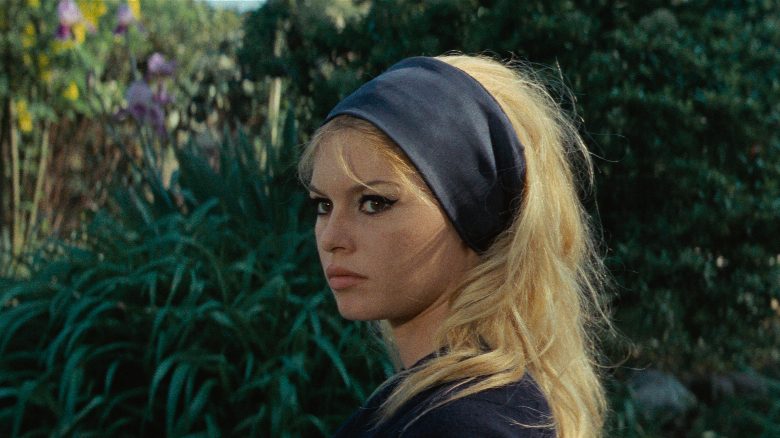
What makes Contempt particularly compelling is its meta-narrative structure. Godard brilliantly uses the film-within-a-film device to comment on the nature of art, commerce, and human relationships. The "philistine" American producer, Jeremy Prokosch, embodies the commercial pressures that often clash with artistic integrity, creating a fascinating tension that mirrors the personal conflict between Paul and Camille. Their emotional disconnect is exacerbated by Prokosch's presence and the opulent, sun-drenched setting of Capri, which ironically highlights their growing internal darkness. The film's visual language, with its iconic use of color and composition, especially the scenes featuring Brigitte Bardot as Camille, makes it a sensory experience, drawing viewers into the psychological landscape of its characters.
Viewers who appreciate introspective dramas, particularly those with a keen interest in film history and the French New Wave, will find Contempt profoundly rewarding. It's a film for those who enjoy nuanced character studies and narratives that explore the fragility of human connection without resorting to easy answers. Godard, known for his experimental and intellectually stimulating approach, crafts a story that is both deeply personal and universally resonant, touching upon themes of communication breakdown, perception, and the elusive nature of love. The inclusion of Fritz Lang not only adds an intriguing layer of cinematic self-reference but also positions the film as a dialogue with the past and future of filmmaking. Contempt is not just a film about a marriage ending; it's a meditation on why it ends, presented with the distinctive artistic flair that defined a cinematic era.