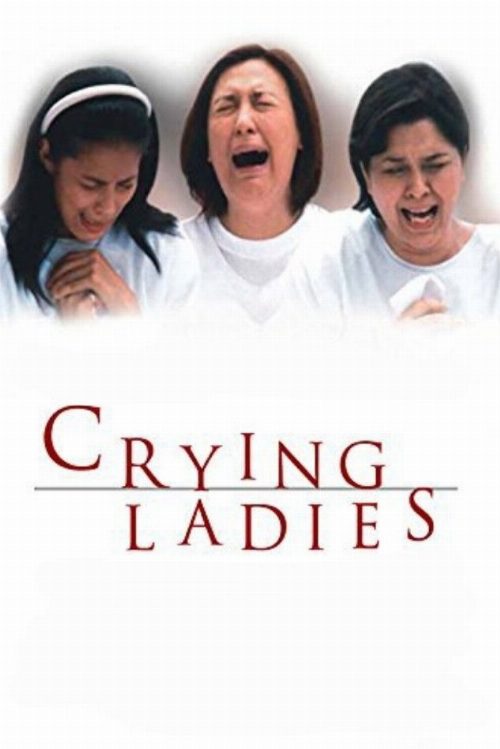
About Crying Ladies
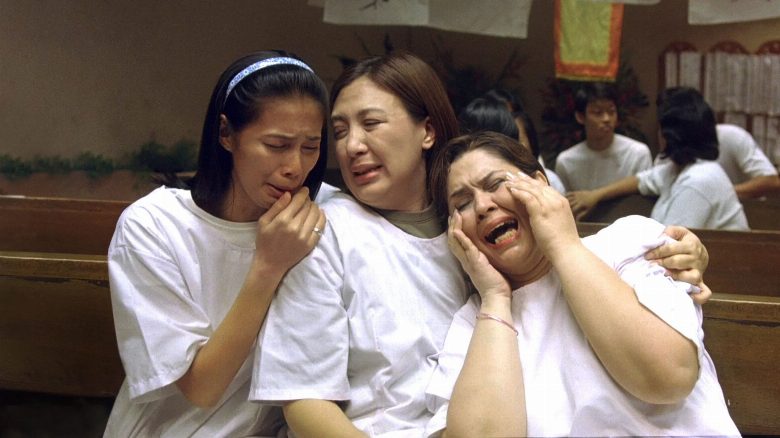
Three working-class Manila women — Stella, Doray and Choleng — are hired as paid mourners at a traditional Chinese funeral.
The cinematic landscape of the early 2000s offered a poignant window into the unconventional intersections of grief and commerce, a theme expertly navigated in the Filipino production Crying Ladies. At its core, the film explores the lives of three women who make a living by performing professional sorrow during funeral processions. This premise serves as a brilliant vehicle for examining the socioeconomic realities of Manila, blending the gravity of loss with the absurdity of a job that requires choreographed weeping. By centering the narrative on these specific characters, the film elevates a niche cultural practice into a broader commentary on how survival instincts often force individuals into roles that blur the line between genuine emotion and theatrical performance.
Within the context of Southeast Asian cinema, this project stands out for its delicate balance of dry humor and social observation. While the industry is often dominated by high-octane dramas or romantic tropes, Crying Ladies carves out a space for the dramedy genre, appealing to audiences who appreciate character-driven storytelling over spectacle. The film thrives on the chemistry between its lead actresses, who bring distinct vulnerabilities to their roles, ensuring that the audience is never distanced from the humanity of their struggles. It is a testament to the director’s vision that a story rooted in such a peculiar profession feels remarkably grounded and relatable to anyone who has navigated the complications of modern urban life.
Viewers who enjoy films that find beauty in the mundane or those interested in the cultural nuances of mourning rituals will find this work particularly engaging. It avoids the trap of becoming overly sentimental, instead opting for a sharp, observational tone that respects its characters while highlighting the irony of their chosen path. The performances, particularly from Sharon Cuneta, help anchor the film, providing a sense of gravitas that keeps the narrative from drifting into farce. For fans of global cinema looking to explore the diversity of the Filipino film industry, this piece remains a quintessential example of how local experiences can resonate universally. It is a thoughtful exploration of solidarity among women, proving that even in the most transactional environments, deep bonds can emerge from the most unlikely circumstances.
Cast(16)












Crew
Executive Producer
Co-Executive Producer
Editor
Line Producer
Art Direction
Production Design
Producer
Sound Designer
Director of Photography
Similar Films