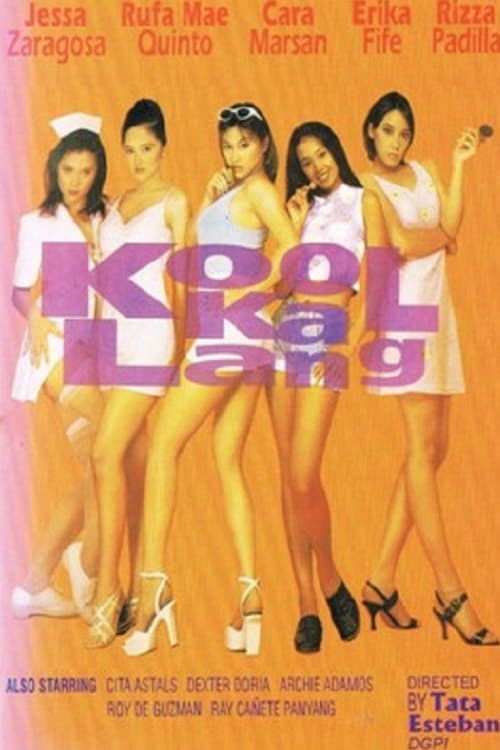
About Kool Ka Lang
Karen, Helen, Joyce, Sandy and Anna are next-door neighbors. They also happen to be the closest of friends. And though they are five different girls, they have one similar problem; their relationship with boys. They end up meeting the wrong guys who do not only break their hearts but also get them into messy situations.
The late nineties in Philippine cinema represented a vibrant era for ensemble comedies that prioritized relatable social dynamics over high-concept thrills, and Kool Ka Lang stands as a quintessential artifact of that period. By focusing on the interconnected lives of five women residing as neighbors, the film taps into the timeless appeal of friendship-driven narratives where domestic proximity fuels both comedic friction and emotional solidarity. Unlike many romantic comedies of the time that fixated on a single heroine seeking her soulmate, this production adopts a broader lens, exploring the recurring patterns of heartbreak and misfortune that plague this group of companions. It manages to capture the specific anxieties of navigating the dating landscape of that decade, presenting a world where romantic entanglements are rarely simple and often lead to chaotic, slapstick-adjacent predicaments.
The strength of the film lies in its cast, which features recognizable faces like Archie Adamos and Cita Astals, who bring a distinct energy to their respective roles. Their performances help anchor the premise in a grounded reality, making the inevitable misadventures of the five female leads feel earned rather than forced. For viewers who appreciate the nostalgic charm of nineties Filipino comedy, the film provides a fascinating glimpse into a time when character-driven humor relied heavily on the chemistry between ensemble players. It is particularly well-suited for audiences who enjoy stories about the trials of young adulthood and the enduring power of female friendship in the face of unreliable partners. By positioning the group’s shared struggles with men as the catalyst for their bond, the narrative highlights the resilience required to maintain one’s sense of humor when everything else seems to be spiraling out of control.
While the film operates firmly within the genre conventions of its day, it remains a notable example of how regional cinema can elevate everyday social frustrations into lighthearted entertainment. The direction keeps the pacing brisk, ensuring that the transition from heartfelt moments to comedic disasters feels organic to the characters’ personalities. Those interested in the historical evolution of the romantic comedy within the Philippine film industry will likely find the film’s approach to group dynamics both charming and illustrative of the era's storytelling priorities. It is a light, breezy watch that succeeds by keeping the stakes personal and the interactions between the leads authentic, offering a window into a specific cultural moment that continues to resonate with those who value stories about the messy, unpredictable nature of finding love.
Cast(21)











Crew
Director
Similar Films