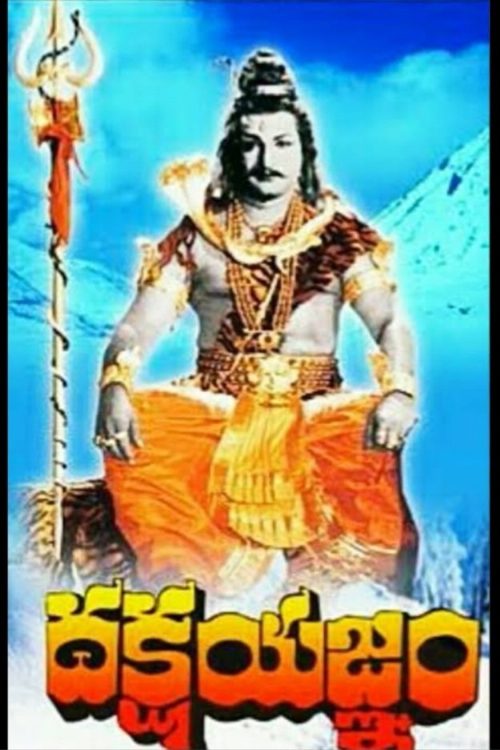
About Dakshayagnam
1962 Indian Telugu-language Hindu mythological film
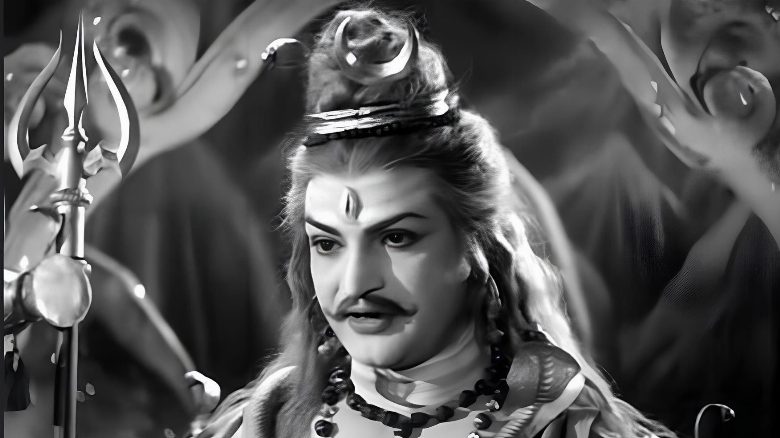
The cinematic landscape of early sixties Telugu cinema was dominated by grand mythological spectacles that served as both cultural touchstones and technical showcases for the burgeoning industry. Dakshayagnam stands as a monumental entry from this era, capturing a pivotal moment when the sanctity of traditional storytelling merged with the evolving craft of the studio system. By bringing to life one of the most significant narratives from the Puranic texts, the film functions as a bridge between the moral instruction of ancient folklore and the immersive visual experience that audiences of the time craved. It remains a fascinating artifact for those interested in the foundational years of Tollywood, where the stage-influenced performances of legends like N.T. Rama Rao and S.V. Ranga Rao set a standard for dramatic intensity that would define the regional star system for decades to come.
What makes this production particularly compelling is the ensemble cast assembled to navigate the complex emotional landscape of the divine conflict. Watching actors of such immense caliber navigate the tension between pride and devotion offers a masterclass in classical performance styles. The film does not merely recount a familiar myth but instead emphasizes the heavy weight of duty and the inevitable friction between earthly ego and celestial order. For the contemporary viewer, it provides a unique window into how filmmakers of that period utilized music and dramatic staging to elevate domestic dramas into cosmic battles of wills. The presence of stalwarts like Chittoor V. Nagayya and the nuanced direction ensure that the stakes feel personal even when the setting remains firmly rooted in the realm of the gods.
Fans of retro Indian cinema and those curious about the evolution of the mythological genre will find much to appreciate in the careful construction of this classic. It serves as a prime example of the creative ambition prevalent in the 1960s, a time when the Telugu film industry was aggressively defining its identity through high-concept storytelling and iconic character portrayals. By prioritizing thematic depth alongside its musical sequences, the film transcends the limitations of its period technology to deliver a story that feels both grand in scale and intimate in its exploration of human fallibility. Whether one is a devotee of vintage South Indian films or a student of regional screen history, this work remains an essential chapter in the storied legacy of the Telugu screen, reflecting a time when the silver screen was the primary vessel for the nation to engage with its own spiritual heritage.
Cast(14)