About Damp
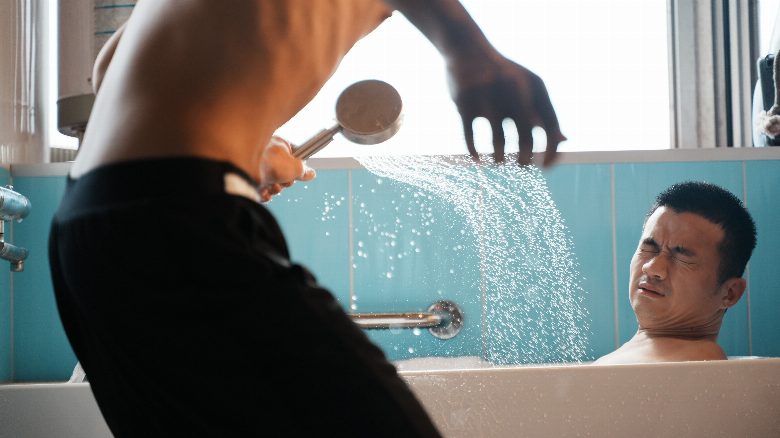
Yen, a young man with cerebral palsy, longs for both romance and a body like his caregiver Suriya’s, while his overprotective mother harbors complex feelings for Suriya. As tensions rise, Yen starts to believe his body is no longer the same.
Etsen Chen invites audiences into a deeply intimate and psychologically charged landscape with his latest feature Damp, a drama that navigates the intricate intersections of physical limitation, human longing, and domestic tension. Set against a backdrop that feels both claustrophobic and profoundly emotional, the narrative centers on Yen, a young man navigating life with cerebral palsy. Unlike traditional dramas that might lean into sentimental tropes, this film positions itself as a complex study of the human condition, focusing on the shifting power dynamics between a son, his devoted yet stifling mother, and a caregiver whose presence disrupts the fragile equilibrium of their household. The story thrives on the unspoken, using the weight of daily routines to highlight the profound disconnect between Yen’s internal desires and his physical reality.
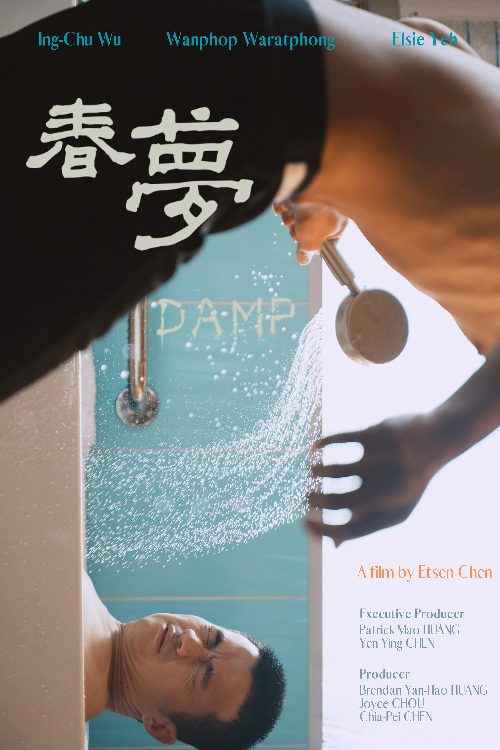
The brilliance of the film lies in its refusal to offer easy answers regarding its characters motivations. By exploring the jealousy and admiration Yen feels toward his caregiver Suriya, the director elevates the material beyond a simple character study into a visceral examination of identity. The performances by Elsie Yeh, Ing-Chu Wu, and Wanphop Waratphong are characterized by a restrained intensity that allows the audience to lean into the discomfort of the narrative. This is the kind of cinema that prioritizes atmosphere over exposition, requiring viewers to pay close attention to the micro-expressions and shifts in body language that define these characters. For those who appreciate the nuanced, character-driven storytelling often found in the best of modern global cinema, the film offers a challenging look at how we perceive our own bodies and the roles we are forced into by those who claim to love us.
Chen demonstrates a mature directorial hand here, steering away from melodrama to focus on the psychological toll of dependency. The film taps into a universal yearning for autonomy, making it a compelling watch for anyone interested in stories that grapple with the complexities of caregiving and the evolution of personal desire. While the premise touches on heavy themes, the execution remains grounded in the reality of its protagonists, ensuring that the experience feels authentic rather than exploitative. As a significant entry in the 2025 landscape, Damp stands out as an evocative piece of filmmaking that lingers in the mind long after the screen goes dark, proving that the most profound dramas are often found within the quiet, fractured walls of the home. It is a must-watch for those who favor a slow-burn narrative that trusts the audience to navigate its moral and emotional ambiguity.