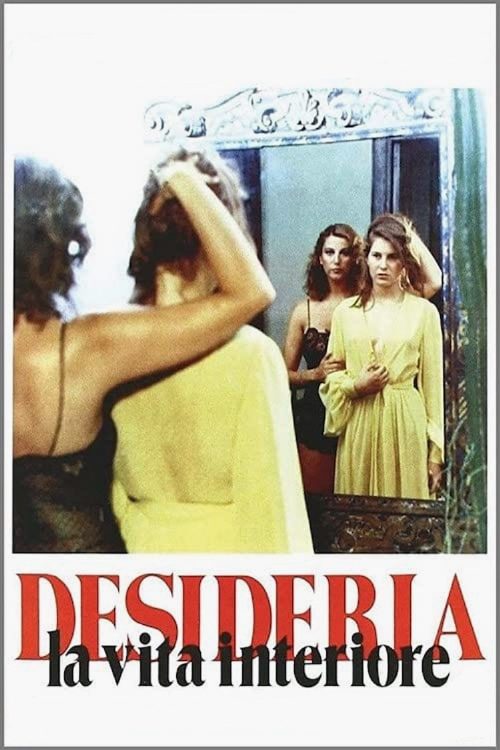
Desideria(1980)
About Desideria
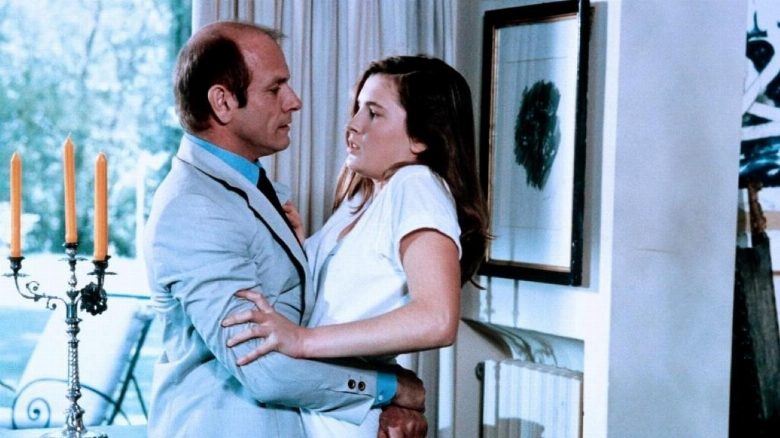
All her life, an overweight girl has been ignored by her rich and attractive mother. But when the ugly duckling becomes a swan, she turns into a world-class tease, exacting her revenge by seducing her mother's boyfriend...
Decades before the modern obsession with psychological thrillers and domestic power dynamics, the 1980 Italian drama Desideria tapped into a volatile cocktail of resentment and transformation. The film centers on a young woman who spends her formative years relegated to the shadows of her mother’s vanity and social standing. This premise serves as a scathing critique of beauty standards and the transactional nature of familial affection, positioning the protagonist as a character seeking agency through the very tools—seduction and performance—that have long been weaponized against her. For viewers who appreciate the stylistic boldness of European cinema from this era, the film offers a raw, unfiltered look at the toxicity buried within affluent domestic settings.
The narrative arc functions as a darker, more cynical inversion of the classic fairy tale trajectory. Rather than finding a traditional happy ending, the lead character weaponizes her newfound societal validation to dismantle the world her mother built. The performance by Francesca Giordani anchors this metamorphosis, portraying the shift from invisibility to hyper-visibility with a calculated intensity that feels remarkably ahead of its time. While the film belongs to a distinct period of Italian filmmaking that often emphasized lush visuals alongside moral ambiguity, it resonates today for its exploration of how deep-seated childhood trauma can manifest as a predatory impulse in adulthood. It is a compelling study of emotional warfare, stripped of the sentimentality often found in contemporary commercial dramas.
Audiences who follow the evolution of the revenge genre will find much to dissect here, particularly in how the film treats the shifting power dynamics between its female leads. Vittorio Mezzogiorno provides a crucial presence, yet the engine of the story remains firmly rooted in the friction between mother and daughter. The movie stands out as a stark departure from the more mainstream melodramas of the eighties, favoring a moody, character-driven approach that prioritizes psychological tension over predictable plot beats. For those interested in how world cinema has historically handled the complexities of body image and maternal competition, this piece remains a haunting, if provocative, entry. It is essential viewing for those who prefer their dramas to lean into the uncomfortable truths of human desire and the inevitable fallout of neglected kinships.
Cast(7)




Crew
Original Music Composer
Director of Photography
Screenplay
Novel
Editor
Costume Design
Similar Films