About Dhraupathi 2
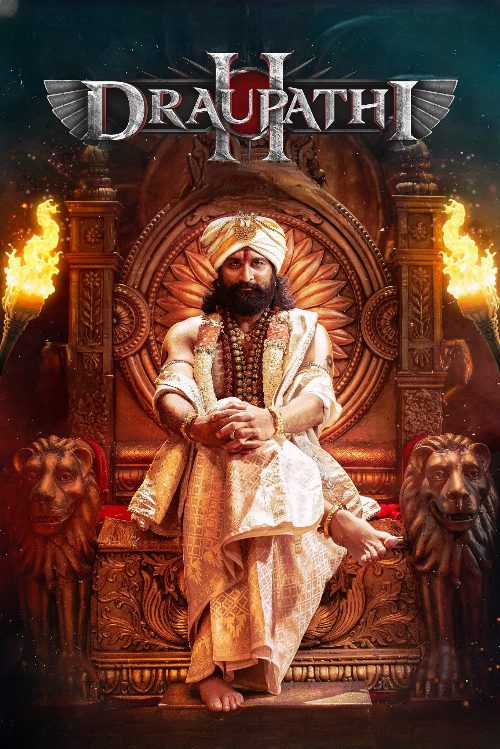
In 14th century AD, people were suffering from the brutality of the Madurai Sultanate and the Delhi Sultan. The Hoysala Emperor Vallalar III protected his empire and people with diplomacy. The sacrifice and betrayal of some changed the course of a kingdom. Insidious interventions disrupt the lives of people and the stability of the state.
Stepping far away from the contemporary settings that often define his filmography, director Mohan G ventures into the sweeping landscapes of the fourteenth century for his latest project, Dhraupathi 2. This ambitious period drama shifts the focus from modern social commentary to the historical turbulence of the medieval era, specifically highlighting the regional strife caused by the expansionist ambitions of the Madurai and Delhi Sultanates. By anchoring the narrative around the figure of the Hoysala ruler Vallalar III, the film attempts to marry the intensity of political intrigue with the grand scale of historical warfare. It marks a bold departure for a filmmaker who has previously leaned into provocative domestic drama, suggesting a desire to explore how ancient power dynamics and betrayal shaped the identity of the southern territories long before the modern state.
The casting of Natarajan Subramaniam in a lead role provides a steady, grounded presence amidst the potential chaos of period battle sequences and palace machinations. Alongside veteran actors like Vela Ramamoorthy and Richard Rishi, the ensemble appears designed to balance character-driven drama with the demands of an epic action spectacle. For audiences familiar with the Tamil industry’s growing fascination with historical epics, this film positions itself as a gritty, grounded alternative to the more fantastical or mythic interpretations of history currently saturating the market. It prioritizes the weight of statecraft and the cost of loyalty, themes that are likely to resonate with viewers who enjoy layered political narratives rather than purely stylistic exercises.
Fans of historical fiction who appreciate a focus on the lesser-known chapters of South Indian history will find much to dissect here. The film serves as a testament to the current trend in Tamil cinema where directors are increasingly digging into the archives to find narratives of resistance and sovereign survival. While it remains to be seen how the production handles the logistical challenges of recreating the medieval era, the intent is clear: to deliver a visceral experience that emphasizes human sacrifice over mere spectacle. Those who gravitate toward intense dramas where the stakes involve the survival of an entire kingdom will find this a compelling addition to the 2026 release calendar. It is a calculated swing for Mohan G, trading the heat of current social debates for the frozen intensity of historical record, and it promises to be a significant talking point upon its arrival in theaters.