About Don't Listen
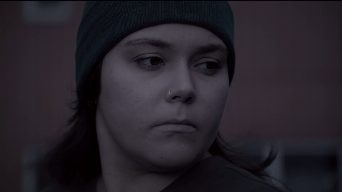
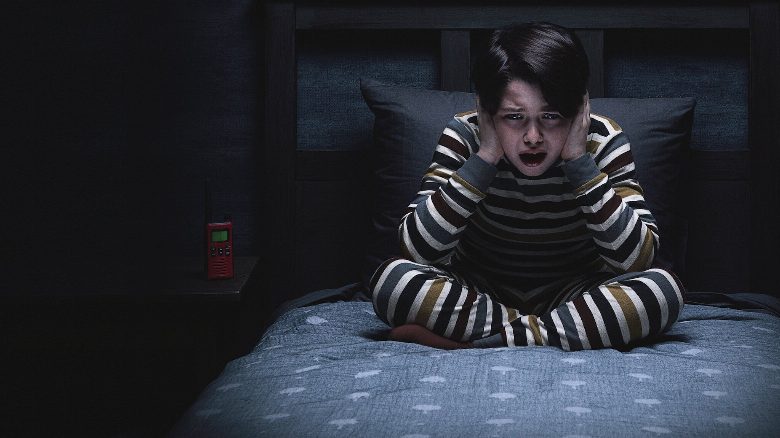
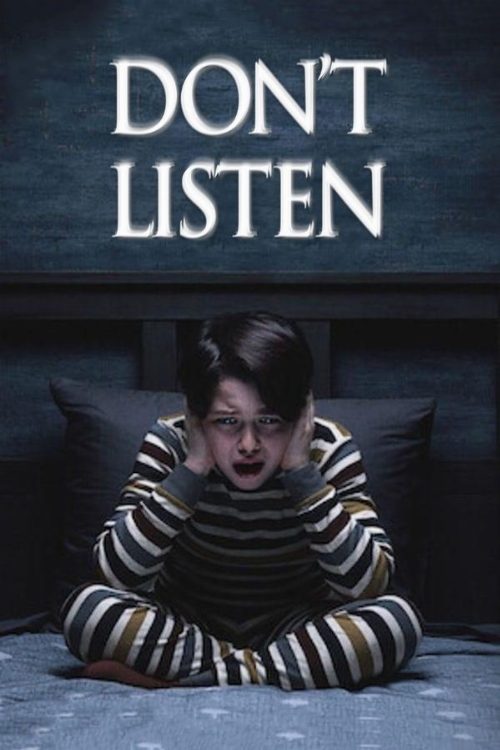
After a tragic turn of events at the new home he's fixing up, Daniel hears a ghostly plea for help, spurring him to seek out a famous paranormal expert.
The modern landscape of international horror often leans heavily on jump scares and CGI overload, yet Don Listen finds its strength in the quiet, unsettling tension of domestic displacement. This Spanish production moves away from the explosive tropes of mainstream genre cinema, choosing instead to anchor its supernatural dread in the raw emotional fallout of a family tragedy. For viewers accustomed to the high-stakes thrills of Indian horror-comedies or the atmospheric psychological depth found in recent Malayalam genre experiments, this film offers a grounded perspective. It taps into the universal anxiety of moving into a new space, transforming the renovation process from a dream of fresh beginnings into a claustrophobic trap where sound becomes the primary vehicle for terror.
The narrative functions as a cautionary exploration of grief, positioning a father as the conduit for malevolent forces that seem to thrive on his vulnerability. By centering the story around the sonic manifestations of a haunting, the film forces the audience to pay close attention to the background noise of the household, much like the subtle, ominous sound design seen in elite psychological thrillers. While the premise follows a familiar trajectory of a desperate man seeking professional help from a paranormal investigator, the execution feels notably intimate. The cast, led by Nerea Barros, delivers performances that emphasize the fragility of the human psyche when confronted with the inexplicable, making the supernatural elements feel like an extension of the characters internal suffering rather than mere external threats.
Audiences who gravitate toward slow-burn storytelling will find much to admire here, as the film prioritizes mood over gore. It stands as a testament to the enduring appeal of the haunted house subgenre when it is treated with a sense of gravity and emotional sincerity. By focusing on the sensory experience of fear, the production creates a persistent sense of unease that lingers long after the credits roll. It is a compelling watch for those who appreciate cinema that uses the supernatural to mirror the fractures within a family unit. As global audiences continue to seek out genre-bending narratives that transcend language barriers, this Spanish-language entry proves that the most effective horror stories are often the ones that remind us how easily our sense of security can be shattered by a single, inexplicable whisper from the shadows.







![[REC] poster](/storage/tmdb/resized/w342/hgyJR4sgMsee6xMFM3xYiG6cDCh.jpg)