About Women on the Verge of a Nervous Breakdown
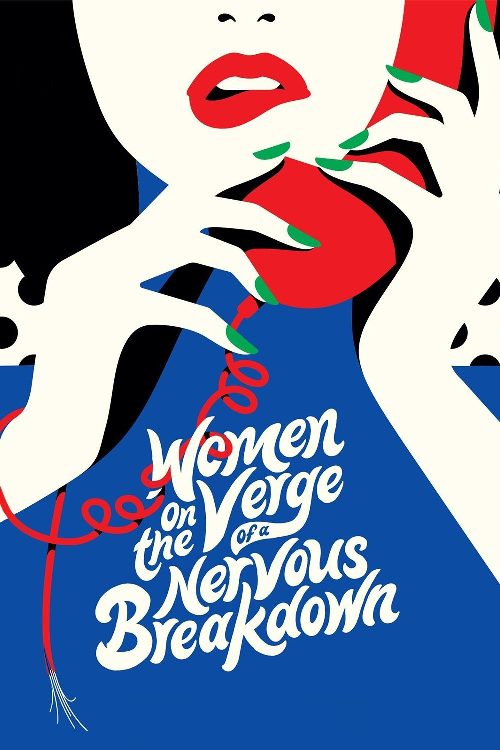
Pepa resolves to kill herself with a batch of sleeping-pill-laced gazpacho after her lover leaves her. Fortunately, she is interrupted by a deliciously chaotic series of events.
Pedro Almodovar occupies a singular space in world cinema, a director whose vibrant color palettes and emotional intensity have often drawn comparisons to the bold, maximalist sensibilities found in modern Telugu and Hindi commercial dramas. His 1988 breakthrough Women on the Verge of a Nervous Breakdown serves as the definitive primer for his signature style, where domestic tragedy is constantly upstaged by farce and flamboyant artifice. The film centers on a voice actress whose life spirals into a frantic, high-stakes puzzle after her partner vanishes, turning her apartment into a staging ground for a series of unpredictable encounters. Unlike the somber tone often associated with European art house fare, this narrative thrives on a relentless, jittery energy that keeps the viewer guessing, much like the best ensemble comedies that define the current pan-Indian theatrical landscape.
The film is a masterclass in how to weaponize the domestic sphere. By confining much of the action to a single, beautifully designed living space, Almodovar elevates a simple tale of heartbreak into a dizzying spectacle of coincidences and eccentric characters. Carmen Maura delivers a performance of remarkable depth, balancing the genuine pain of abandonment with a comedic timing that feels both desperate and sharp. It is also a fascinating time capsule of a young Antonio Banderas, who brings a naive, physical humor to the screen that hints at the international stardom he would soon achieve. The production design is just as much a character as the cast, with every prop and costume serving to heighten the sense of a world on the brink of a total, albeit hilarious, collapse.
Audiences who appreciate the fast-paced, multi-plot structures seen in contemporary urban dramas from the Malayalam or Tamil film industries will find this work particularly resonant. It avoids the trap of being purely satirical, instead grounding its absurdity in the very real, messy ways people try to reclaim their autonomy after a devastating romantic blow. This is a must-watch for those who enjoy character-driven storytelling where the stakes are deeply personal yet the delivery is wildly flamboyant. It remains a essential piece of global cinema, proving that even the most painful life transitions can be framed through a lens of wit, style, and irrepressible human spirit. Whether you are a fan of classic European cinema or simply looking for a masterfully constructed comedy that refuses to take its own grief too seriously, this film stands as a timeless monument to the art of the nervous breakdown.
Cast(26)