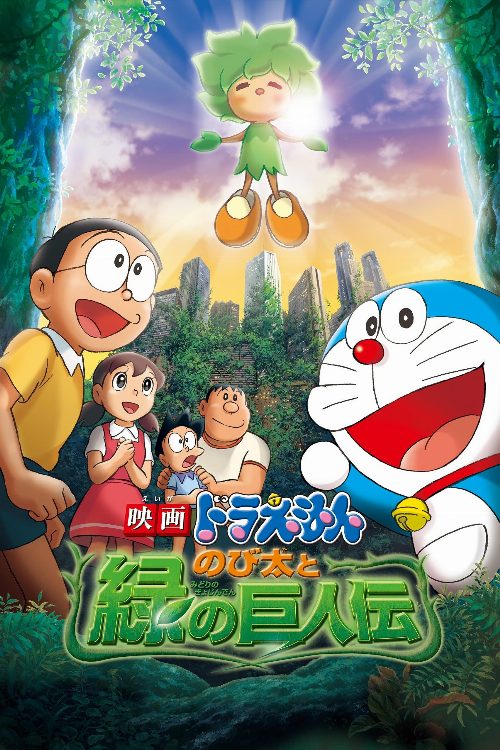
Doraemon: Nobita and the Green Giant Legend(2008)
About Doraemon: Nobita and the Green Giant Legend
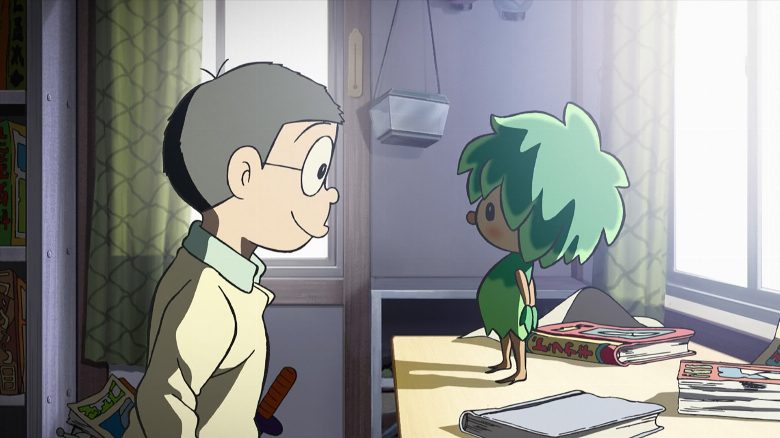
Nobita’s troubled about what to do with his zero test marks once again. A gust of wind scatters his test papers and he falls into a garbage dump trying to gather them together again. There he finds a young withered tree that caught one of his papers and he decides to take it home. He tries to plant it in his garden but gets caught by his mother who doesn’t allow him to grow it.
Few cinematic icons possess the enduring cross-generational appeal of the blue robotic cat from the future, whose latest big-screen outing in Nobita and the Green Giant Legend captures the whimsical spirit that has defined the franchise for decades. Released in 2008, this feature-length animation shifts the focus from typical gadget-driven humor toward a poignant environmental fable. By centering the narrative on the emotional bond between a young boy and a sentient seedling, the film elevates its stakes, moving away from simple comedic mishaps into a broader reflection on the necessity of ecological preservation. For audiences accustomed to the high-octane spectacles currently dominating global animation, this story offers a refreshing change of pace by grounding its science fiction elements in the relatable anxieties of childhood and the sanctity of the natural world.
The film stands out within the broader Doraemon canon by juxtaposing the futuristic technology of the 22nd century with the ancient, mystical forces of nature. This thematic tension resonates particularly well with contemporary viewers, especially within the Indian market where the franchise has cultivated a massive, devoted following across generations. As the plot unfolds, Nobita finds himself caught between his desire for academic approval and the responsibility of nurturing a life form that represents something far greater than his personal struggles. This transition from a mundane domestic setting to an expansive, mythic adventure demonstrates the storytelling versatility that has allowed this Japanese series to remain relevant across diverse cultural landscapes long after its original publication.
Viewers who enjoy character-driven journeys that blend lighthearted comedy with meaningful moral lessons will find this entry highly rewarding. It is not merely a showcase for creative futuristic devices, but an earnest examination of how individual actions impact the environment. The animation style maintains the classic aesthetic that fans adore while introducing grander, more atmospheric visuals that suit the scale of the adventure. Whether you are a long-time admirer of these characters or a newcomer interested in how Japanese animation approaches complex themes through accessible storytelling, this film serves as a compelling bridge between traditional hand-drawn charm and modern narrative ambition. It remains a standout example of how animation can successfully balance entertainment with a gentle, thought-provoking message about our shared responsibility toward the planet.
Cast(9)