Dr. Goldfoot and the Girl Bombs(1966)
About Dr. Goldfoot and the Girl Bombs
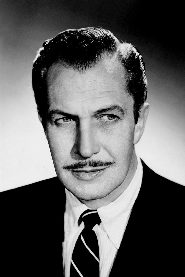
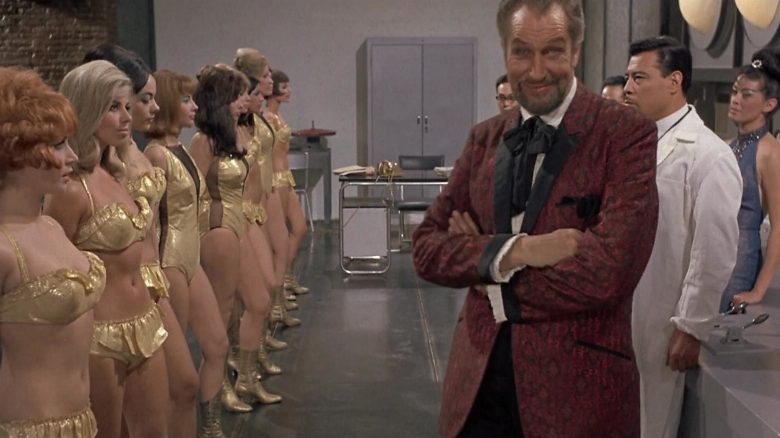
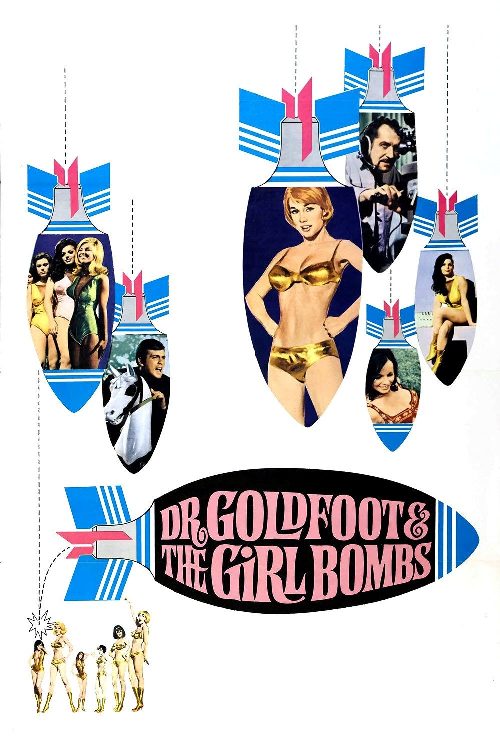
The scheming mad scientist Dr. Goldfoot (Vincent Price) plots another mad scheme to take over the world by killing off the major military leaders of every country; to that end, he creates in his secret lab a bevy of bodacious girl bombs; full-length, life-size robots that explode when embraced.
Mario Bava is legendary for his mastery of atmospheric gothic horror and colorful gialli, yet his foray into the campy spy-fi genre with Dr. Goldfoot and the Girl Bombs remains a fascinating curiosity in his filmography. Released during the mid-sixties obsession with secret agents and outlandish gadgets, the film leans heavily into the absurdity of the era. Vincent Price brings his trademark flair to the role of a villain who is as pompous as he is incompetent, anchoring a narrative that is less about technical science fiction and more about a visual, satirical romp through international espionage tropes. While Indian cinema audiences today are accustomed to high-stakes genre mashups that blend comedy with action, this film provides a distinctly European, mid-century perspective on the same impulse to entertain through sheer eccentricity.
The premise hinges on a bizarre plot involving mechanized assassins designed to eliminate global military figures through physical contact. This setup serves primarily as a vehicle for Bava to experiment with vibrant set designs and the visual language of pop art. It is a film that demands a viewer who appreciates the intentional kitsch of sixties cinema, where the charm lies in the exaggerated performances and the playful subversion of serious spy narratives. Unlike the grit found in modern thrillers or the emotional depth of contemporary regional Indian dramas, this production prioritizes spectacle and whimsical chaos above all else. It functions as a time capsule, capturing a moment when the world was infatuated with the idea of the supervillain as a theatrical performer.
For fans of cinema history, the project is notable for seeing a director renowned for his shadow-drenched thrillers working with a lighter, more frantic palette. It is not a masterpiece in the traditional sense, but rather a stylistic exercise that highlights how far a charismatic lead performer can carry a script. Those who enjoy cult classics that do not take themselves seriously will find the interplay between the mechanical femme fatales and the hapless heroes engaging. It sits comfortably in the category of films that are best watched with a group, serving as a reminder that the evolution of global genre filmmaking has always leaned heavily on the willingness to experiment with the ridiculous. By embracing the camp aesthetic of its time, the film secures its place as a unique footnote in the storied career of one of Italy's most visually inventive directors.
Cast(18)