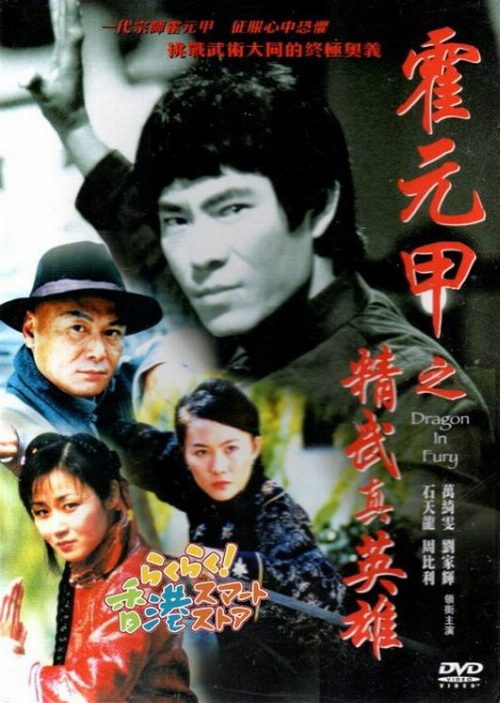
About Dragon in Fury
When Chen Jun (Dragon Shek) returns home to Shanghai to find his former kung fu master (Gordon Liu) dead, he can't shake the hunch that a rival martial arts school is to blame. Readying himself for a full-fledged rampage of revenge, Chen first launches an investigation and then takes on the entire school, putting his years of martial arts training to the test.
The landscape of early two thousands Hong Kong action cinema remains defined by its relentless energy and the physical prowess of its performers, a legacy that Dragon in Fury captures with visceral intensity. At its core, the film utilizes the classic architecture of a vengeance narrative, grounding its high stakes in the traditional world of martial arts schools and the unspoken codes of honor that govern them. By focusing on the homecoming of a protagonist who discovers the tragic demise of his mentor, director Mau Kin-Tak taps into the visceral appeal of the lone warrior archetype. It is a cinematic experience that prioritizes rapid-fire choreography over exposition, ensuring that the tension between rival factions feels earned through every strike and parry.
For audiences familiar with the regional trends of the era, this production serves as a testament to the enduring fascination with period-set combat dramas. The casting choice of Dragon Sek Tin-Lung brings a grounded authority to the lead role, allowing the film to lean heavily into the technical proficiency required for authentic action sequences. Alongside stalwarts like Billy Chow Bei-Lei, the ensemble is clearly built to showcase a variety of fighting styles that were central to the identity of the industry at the time. While contemporary viewers might notice the stylistic shift compared to the polished digital effects of today, those who appreciate the raw, tactile nature of practical stunt work will find a compelling rhythm in the way the confrontations are blocked and captured.
This film is particularly well-suited for enthusiasts who track the lineage of martial arts cinema or those who find comfort in the straightforward, high-stakes moral dilemmas of classic revenge stories. It does not attempt to reinvent the genre; instead, it refines the familiar tropes of brotherhood, betrayal, and retribution into a focused display of physical performance. By keeping the stakes personal rather than political, the narrative maintains a tight pace that keeps the audience invested in the protagonist's journey through the treacherous underworld of Shanghai. It stands as a notable example of how a singular focus on fight choreography can anchor an entire feature, making it a reliable choice for anyone seeking a return to the golden age of hard-hitting genre filmmaking.