East Wind Rain(2010)
About East Wind Rain
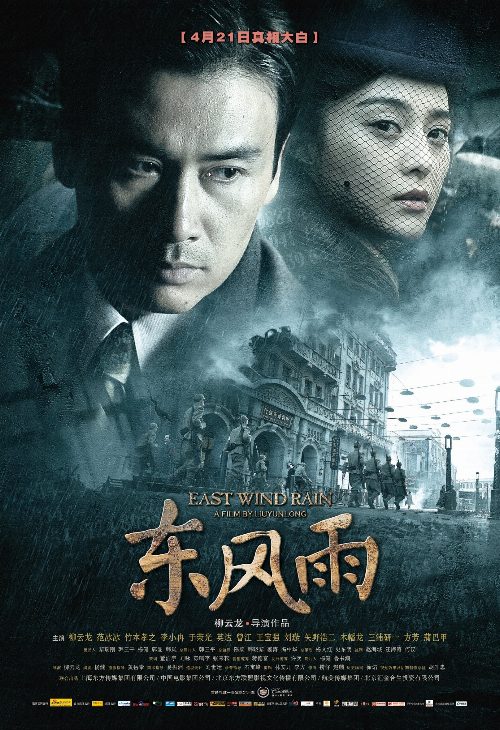
Year 1941, a roll of film is delivered to Shanghai and a Chinese spy named Gong An Ming (Liu Yun Long) must decide what he should do with the film, which turns out containing a great secret that could shock the whole world. He discovers the plan code named 'East Wind Rain' and passes the information to the American that their territory will soon be invaded by the Japanese. The code is aired during the weather report from Radio Tokyo on Dec 4, 1941. While in Shanghai An Ming meets with a singer cum pianist, Huan Yan (Fan Bing Bing) and falls in love with her, not realizing that she is also one of the spies. Soon An Ming realizes that his effort found no success and have been ignored due to some reason. And now by risking his own life he must also decide whether to make Huan Yan his lover or his enemy? Will the Japanese attack Pearl Harbor in the end? Which country is Huan Yan working as a spy for? Will An Ming get caught by his enemy?
The tension of the impending Pacific conflict serves as the backdrop for East Wind Rain, a period drama that captures the suffocating atmosphere of 1941 Shanghai. Unlike the high-octane espionage thrillers that often dominate modern cinemas, this film opts for a deliberate, melancholic pace, focusing on the psychological toll of living in a city caught between shifting geopolitical tides. The narrative centers on a clandestine intelligence operative whose discovery of a cryptic transmission forces him into a dangerous game of cat and mouse. By grounding the global stakes of the Second World War in the personal dilemmas of its protagonists, the film explores how national loyalty often clashes with the fragile hope of romantic connection.
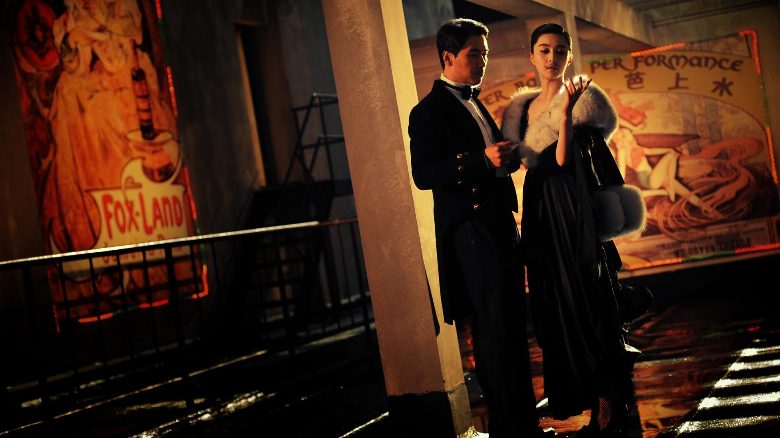
The film distinguishes itself through its aesthetic commitment to the noir-inflected aesthetics of wartime Shanghai, a setting that has long fascinated filmmakers across Asia. For audiences accustomed to the hyper-stylized action sequences found in current pan-Indian hits or global blockbusters, this production offers a more somber experience, prioritizing atmosphere and character interiority over spectacle. It functions as a somber reflection on the invisibility of those working in the shadows, where every encounter in a dimly lit ballroom could be a setup and every song performed by a cabaret singer might carry a coded message. Liu Yunlong, who directs and stars, leans into a stoic performance that mirrors the isolation of his character, while Fan Bingbing brings a necessary layer of ambiguity to her role, effectively keeping the audience guessing about her true allegiances until the final act.
Viewers who appreciate historical dramas that emphasize the weight of human choices over mere historical reenactment will find much to admire here. It is a film for those who enjoy the slow-burn complexity of spy fiction, where the silence between characters is just as significant as their dialogue. As it navigates the murky waters of betrayal and duty, the story asks difficult questions about whether individual sacrifice truly matters when the gears of history are already turning toward catastrophe. For fans of cinema that explores the intersection of personal desire and political necessity, this feature remains a compelling study of a time when the world stood on the precipice of irrevocable change, making it a standout entry for those interested in the darker, more introspective corners of international war dramas.