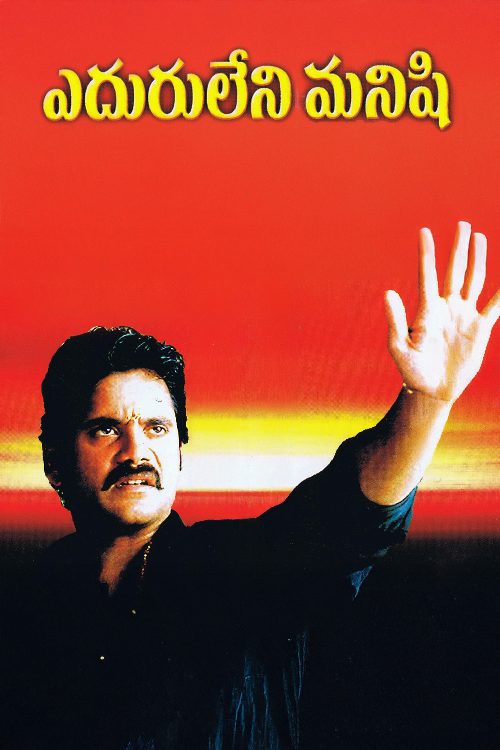
About Eduruleni Manishi
Surya Murthy lives a very wealthy lifestyle in India along with his parents, his niece, and a younger look-alike brother, Satya. His parents would like him to get married, but he refuses until Satya, who himself is anxious to get married to his girlfriend, selects a bride named Vasundhara. Events prove that Vasundhara is indeed the ideal bride for Surya, and both get married
Navigating the landscape of early millennium Telugu cinema often brings us to films that masterfully blend family dynamics with high-stakes action, and Eduruleni Manishi stands as a quintessential example of this era. Released in 2001, the project centers on the life of a prosperous man whose domestic priorities are deeply intertwined with the aspirations of his younger sibling. What makes the narrative particularly engaging is the way it balances the grandeur of a wealthy household with the inevitable complications that arise when personal desires and familial responsibilities collide. By focusing on the bond between two brothers who share a striking physical resemblance, the film taps into the classic dual-role trope that has long been a staple of South Indian storytelling, offering a polished showcase for its lead actor to demonstrate versatility.
Nagarjuna Akkineni anchors the production with a performance that shifts seamlessly between the gravitas of an elder brother and the spirited energy of his counterpart. His presence is bolstered by a supporting cast that includes veteran character actors like Kota Srinivasa Rao and Nassar, whose involvement ensures that the dramatic sequences carry the necessary weight. The film operates within the framework of traditional Telugu commercial cinema, prioritizing emotional stakes alongside well-timed confrontations. For audiences who appreciate the golden age of Tollywood, where family values frequently served as the bedrock for intense, villain-driven conflicts, this movie provides a satisfying viewing experience that remains emblematic of the industry trends defining the turn of the century.
Viewers who enjoy character-driven dramas that eventually pivot into high-tension confrontations will find much to admire here. It is a film designed for those who prefer stories where the hero must navigate complex interpersonal relationships before addressing the external threats posed by antagonists. By highlighting themes of sacrifice and the sanctity of the family unit, the film resonates with the core values often celebrated in regional cinema of that period. Whether you are a fan of Nagarjuna or a curious student of the evolution of Telugu action dramas, the work serves as a nostalgic window into a time when star power and family-centric scripts were the primary engines of box office success. It remains a notable entry in the filmography of a star who has consistently navigated the shifting tides of Indian cinema with poise and strategic choices.