About El día de los albañiles
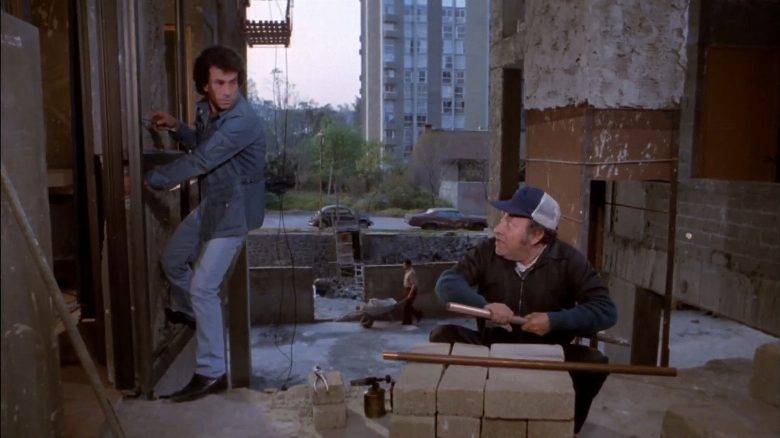
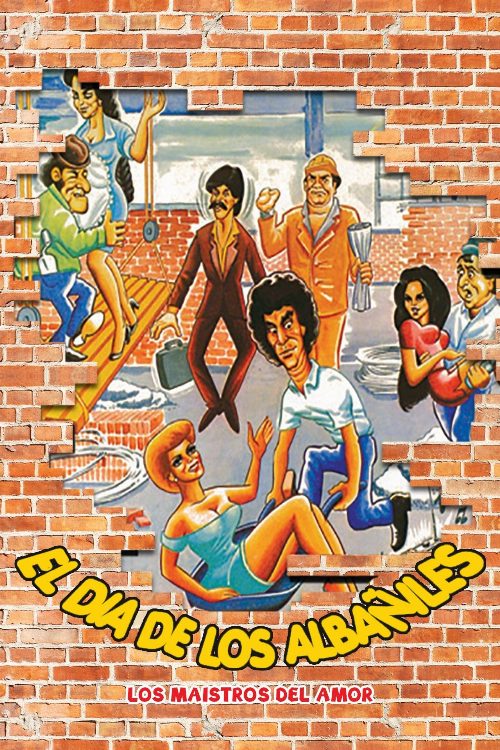
At the local construction site, love and drama go hand in hand. Action, comedy, drama and sex are all in the mix in this very sexy/comedy starring some of the icons of this "sexy era" of the Mexican cinema.
Stepping into the vibrant, often chaotic world of Mexican cinema from the early eighties, El dia de los albaniles serves as a quintessential artifact of the ficheras genre, a period defined by its unapologetic blend of lowbrow humor and social commentary. The narrative centers on the daily lives of construction workers, framing their rough-hewn worksite as a bustling hub where professional demands constantly collide with the messy realities of romance and interpersonal conflict. By focusing on a blue-collar environment, the film captures a specific slice of urban life that resonated deeply with domestic audiences at the time, offering a mirror to the working-class experiences that were often ignored by more polished, mainstream productions.
For viewers familiar with the evolution of global commercial cinema, this movie functions much like the mass-market entertainers found in the Indian industry, where ensemble casts and high-energy situational comedy are designed to cater to a broad base of theatergoers. Just as the Telugu or Tamil industries have long balanced larger-than-life heroics with grounded human struggles, this project leans heavily on the charisma of its ensemble, featuring stalwarts like Alfonso Zayas who were instrumental in shaping the comedic landscape of the era. The chemistry between the leads is designed to keep the pacing brisk, ensuring that the shift between dramatic tension and comedic relief feels natural within the confined, dusty setting of the building site.
This production is best suited for those with an interest in cult cinema and the historical development of international genre filmmaking. It acts as a fascinating time capsule, illustrating how directors utilized limited locales to explore themes of masculinity, desire, and the socioeconomic hierarchies inherent in construction labor. While modern audiences might find the tone jarring compared to contemporary standards, the film remains a significant touchstone for understanding the populist entertainment that dominated Mexican screens decades ago. By prioritizing character-driven vignettes over a singular, linear plot, the director creates an immersive experience that values the camaraderie of its cast above all else, making it a noteworthy study for anyone tracking the intersection of comedy and regional cultural identity.
Cast(9)








Crew
Original Music Composer
Camera Department Manager
Second Assistant Director
Editor
Producer
Director
Director of Photography
Similar Films