About El hombre que se quiso matar
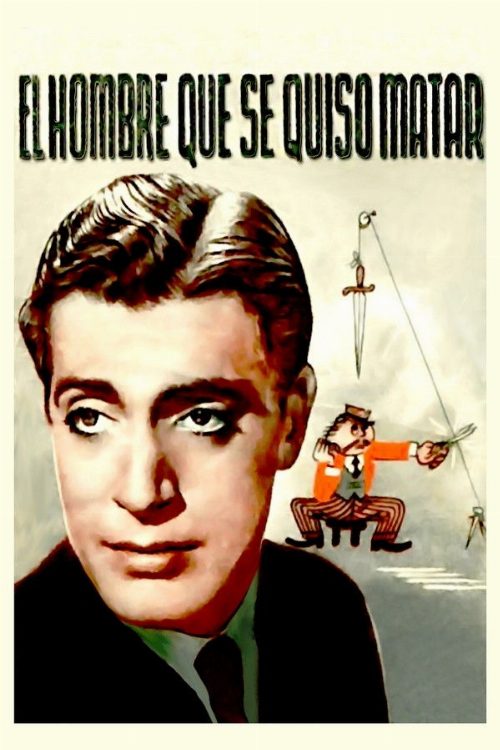
The cinematic landscape of 1940s Spain was often defined by a rigid adherence to drama and period pieces, which makes the emergence of El hombre que se quiso matar a particularly refreshing anomaly in the era. Directed by Rafael Gil, this production occupies a fascinating space in the history of Iberian comedy, showcasing a satirical bite that feels surprisingly modern for its time. Rather than relying on the heavy handed sentimentality prevalent in the contemporary output of the Spanish film industry, the narrative leans into the absurdity of human desperation. It focuses on a protagonist whose failed attempt to end his own life inadvertently propels him into a bizarre series of social entanglements, transforming a bleak starting point into a relentless farce. For students of global cinema, this film serves as an essential bridge between early theatrical comedies and the more sophisticated, cynical storytelling that would define later decades.
Much like the fast paced banter found in modern screwball comedies or the situational irony common in contemporary Telugu cinema, the film thrives on the friction between societal expectations and the chaotic reality of its central character. Antonio Casal delivers a performance that balances slapstick timing with a weary vulnerability, grounding the more outlandish comedic sequences in genuine human frustration. Because the film avoids the trap of becoming a pure tragedy, it remains an accessible piece of social commentary that critiques the superficiality of its setting. It is the kind of classic that appeals to those who enjoy dark humor and the subversion of institutional authority, themes that resonate just as loudly today as they did eight decades ago.
Rafael Gil demonstrates a deft hand at pacing, ensuring that the escalating confusion never loses its momentum or its emotional core. By choosing to frame a heavy subject through the lens of lighthearted mockery, the film suggests that the most effective way to confront the absurdity of existence is to laugh at the structures that govern it. Viewers interested in the evolution of European humor will find much to admire in the way the director manipulates public perception and private misery to create a cohesive, enduring comedic structure. It stands as a testament to the idea that even in the most restricted cultural climates, filmmakers can find clever ways to poke fun at the human condition without losing their audience in the process. For anyone looking to explore the roots of comedic narrative design, this production remains a foundational and highly entertaining watch.
Cast(18)



Crew
Director
Music
Writer
Director of Photography
Camera Operator
Editor
Makeup Artist
Sound Engineer
Similar Films