Eternamente Pagu(1987)
About Eternamente Pagu
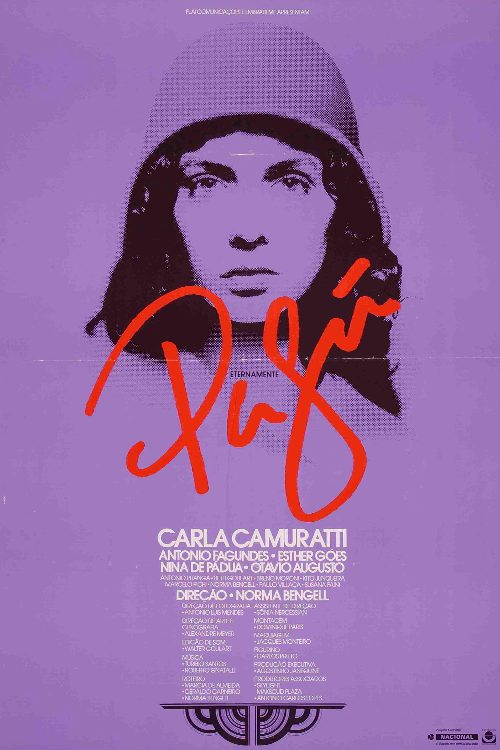
Eternamente Pagu is a biographical film about Patrícia Galvão, best known as Pagu, a Brazilian political, literary and artistic activist. An important figure of the Brazilian Modernism, Pagu was also a militant for the Brazilian Communist Party after she married writer Oswald de Andrade. She broke up with Andrade and, as a journalist was arrested by the Dictatorship of Getúlio Vargas. After she left prison, she abandoned Communism in favor of Trotskyist Socialism, married Geraldo Ferraz, and started a career as theatre director.
Beyond the familiar tropes of historical biopics, this 1987 Brazilian production captures the restless spirit of a woman who refused to be defined by the rigid boundaries of her era. Patrícia Galvão, widely recognized by her moniker Pagu, remains a towering figure in the cultural history of Brazil, and this film meticulously traces her evolution from a provocative Modernist icon to a fiercely independent political voice. By centering on the internal friction of a life defined by radical choices, the narrative invites viewers to witness the transformation of an artist who navigated the treacherous waters of the Brazilian Communist Party and the subsequent pressures of the Vargas regime. It is a portrait of a woman who stood at the intersection of avant-garde literature and militant activism, challenging the patriarchal constraints of both her social circles and the state.
For enthusiasts of global cinema who appreciate the nuance of historical dramas, this film offers a fascinating look at the intellectual fervor of early twentieth-century Latin America. While many Indian films often explore the intersection of political idealism and personal struggle through grand, sweeping epics, this Brazilian drama opts for a more intimate, character-driven approach. It is particularly striking for those who enjoy stories about figures who operate on the fringes of orthodoxy, much like the rebellious poets or defiant reformers seen in regional Indian masterpieces. The direction captures the chaotic energy of the era, positioning Pagu not merely as a historical footnote but as a relentless force of nature who moved from the intellectual salons of the Modernists to the harsh reality of prison cells and theatrical stages.
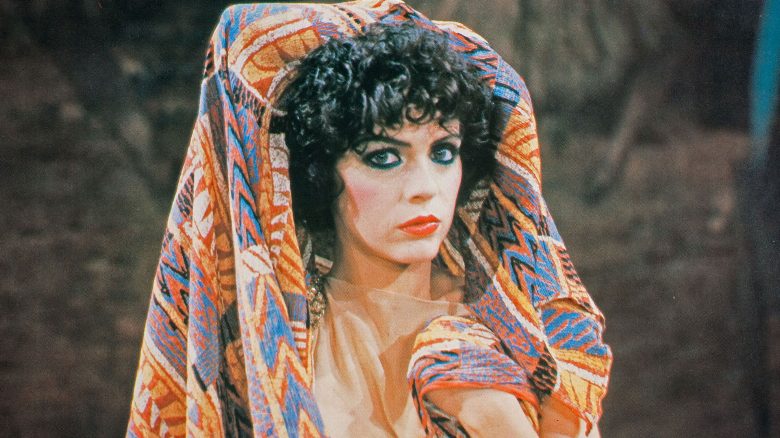
The casting of Nina de Padua brings a magnetic intensity to the screen, grounding the film in a performance that demands attention even as the historical context shifts rapidly. This is an essential watch for anyone interested in the sociology of art and the heavy price of dissent. Whether she is engaging in the high-minded debates of the literary elite or facing the grim consequences of her ideological shifts, the protagonist embodies a specific brand of defiance that resonates across cultures. By documenting her journey through multiple political identities and personal relationships, the film provides a sophisticated look at the costs of living a life without compromise. It serves as a compelling reminder that the most revolutionary acts often occur within the mind, making it a timeless study for audiences seeking depth over spectacle.
Cast(12)