About Farzand
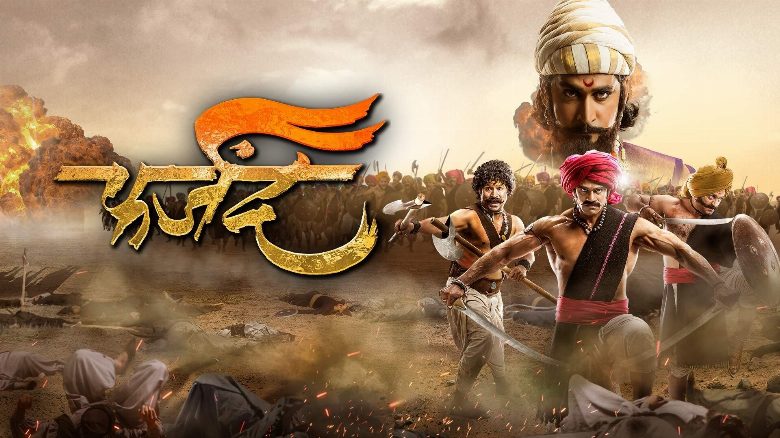
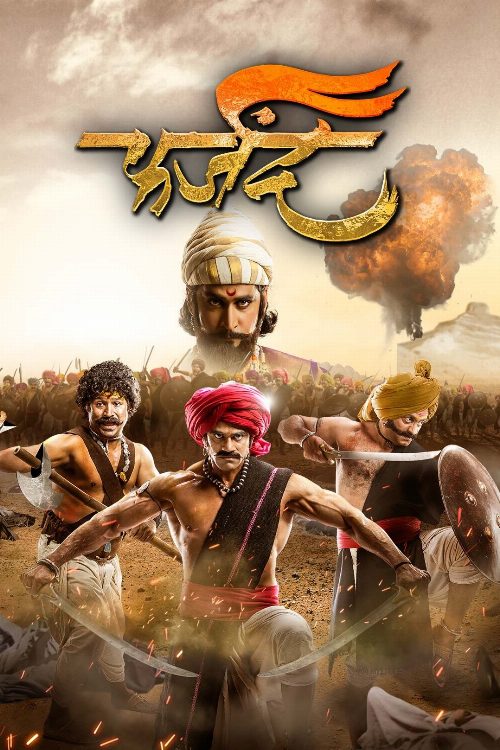
Maharashtra has a very well known history and in that, the period of Shivaji Maharaj is of pride to us all. Adilshah from Bijapur was the strongest enemy of Shivaji Maharaj and the ruler of Konkan and Maharashtra. Shivaji established Swaraj in these parts and set the people free from Adilshah's slavery. And hence, he became Shivaji's biggest enemy. Adilshah later, declared a war against Shivaji Maharaj and captured the Panhala fort. After several attempts for recapturing the fort, Shivaji Maharaj failed. Adilshah, being a tricky politician, appointed the brutal Beshakh Khan as the guardian of the fort. The illegal and immoral acts of Beshakh Khan was against Swaraj and a hurdle for the coronation of Shivaji Maharaj. To stop him and capture the fort of Panhala was now an issue of prestige for Shivaji Maharaj. Farzand is the movie about Shivaji Maharaj's 60 great warriors lead by Kondaji Farzand, which portrays their great achievements in capturing Panhala fort.
Stepping away from the contemporary reliance on big budget visual effects, Farzand serves as a visceral reminder of the power inherent in regional historical epics. Directed by Digpal Lanjekar, this Marathi production dives deep into the seventeenth century, focusing on the tactical brilliance and unwavering loyalty required to defend the Maratha Empire. By centering the narrative on the strategic recapture of the Panhala fort, the film highlights a specific, high-stakes military operation that demands both physical prowess and psychological acuity. It stands as a significant entry in the ongoing trend of Indian filmmakers looking toward the annals of local history to craft stories that resonate with modern audiences seeking cultural identity and heroic inspiration.
The film distinguishes itself by focusing on a specialized mission rather than attempting to encapsulate an entire lifetime of leadership. Through the character of Kondaji Farzand, played with grounded intensity by Chinmay Mandlekar, the story explores the weight of responsibility carried by those who operated in the shadows of great monarchs. The supporting ensemble, including the formidable presence of Sameer Dharmadhikari and the gravitas brought by Mrinal Kulkarni, ensures that the stakes feel personal and urgent. For viewers who appreciate historical dramas that emphasize choreography and tactical planning over mere spectacle, this production offers a refreshing look at the guerrilla warfare techniques that defined the era. It is a testament to the meticulous research and commitment to period authenticity that has characterized Lanjekar's body of work.
Audiences who enjoy films such as Tanhaji or other regional period pieces will find much to admire in this disciplined approach to storytelling. By focusing on the smaller, crucial battles that paved the way for larger geopolitical shifts, the film manages to maintain a tight, suspenseful pace throughout its duration. It is not merely a celebration of past victories but an exploration of the human cost of devotion to a cause. Whether you are a history enthusiast or simply a fan of high-octane action rooted in traditional settings, this film provides a compelling window into a pivotal chapter of the Maratha legacy. Its success lies in its ability to balance the grandeur of the period with the intimate struggles of its warriors, making it a noteworthy standout in the landscape of recent Indian regional cinema.
Cast(8)