About Ganimi Kawa
Following the victory at Sinhagad in 1670, the Moghuls began to notice the threat from the Marathas. The unique guerrilla tactics developed by Shivaji helped his warriors forge ahead with power.
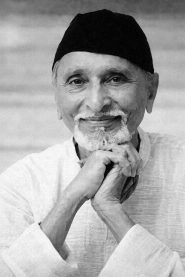
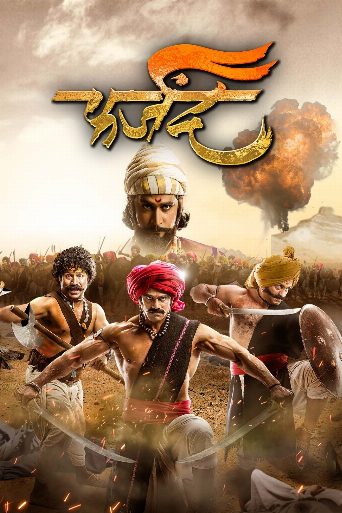
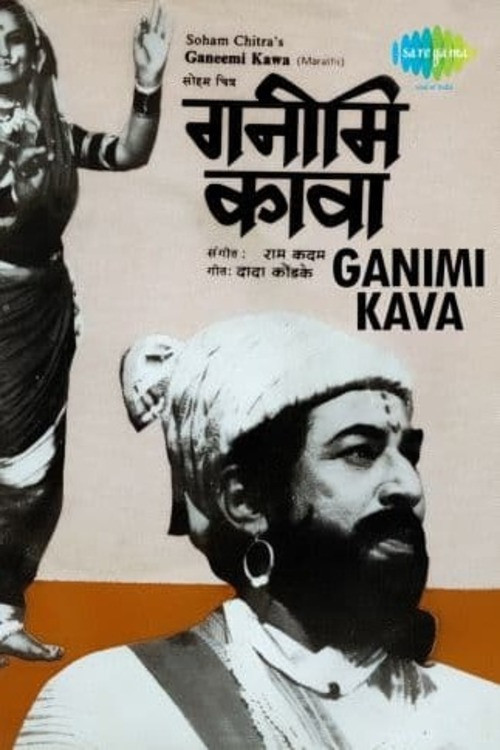
The legacy of Maratha military ingenuity finds a powerful cinematic voice in Ganimi Kawa, a production that captures the essence of seventeenth century resistance against imperial expansion. Helmed by Bhalji Pendharkar, a filmmaker celebrated for his deep immersion in regional history, the film moves beyond standard period pieces to explore the strategic brilliance behind the elusive warfare techniques that defined the era. By focusing on the shifting power dynamics following the pivotal clash at Sinhagad, the narrative illustrates how a smaller, highly disciplined force managed to dismantle the confidence of a vast encroaching empire. This is not merely a chronicle of battles but an examination of the psychological and tactical edge that allowed local warriors to reclaim their sovereignty against overwhelming odds.
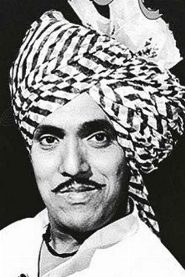
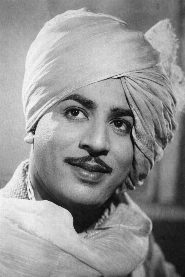
The film occupies a significant place in Marathi cinema, bridging the gap between traditional historical storytelling and the heightened dramatic flair of the early eighties. With a cast featuring stalwarts like Dada Kondke and Asha Kale, the performances lend a grounded gravity to the proceedings, ensuring the stakes feel personal rather than purely academic. Pendharkar excels at balancing the grandeur of the period with the intimate motivations of his characters, a trait that helped him maintain a consistent trajectory of success throughout his career. For viewers interested in how Indian regional industries have historically interpreted their own past, this work offers a compelling study of how guerrilla warfare was mythologized on the silver screen to inspire a sense of collective identity and resilience.
Fans of historical dramas who appreciate political maneuvering over simple combat will likely find much to admire here. While the action elements are present, the true draw lies in the depiction of the Ganimi Kawa method itself—the art of striking where the enemy is weakest and retreating before a counter-offensive can materialize. The film functions as both an educational window into regional heritage and a taut exercise in suspense, showing how intelligence and terrain knowledge can outweigh brute force. It stands as a testament to the enduring fascination with Shivaji Maharaj and his legacy, appealing to audiences who enjoy narratives centered on tactical brilliance and the underdog spirit. Whether viewed as an artifact of its time or a classic piece of historical fiction, it remains a vital entry point for those wanting to understand the cultural pillars that support the modern Marathi film landscape.