Haldi Kunku(1979)
About Haldi Kunku
Film with a soundtrack featuring Asha Bhosle.
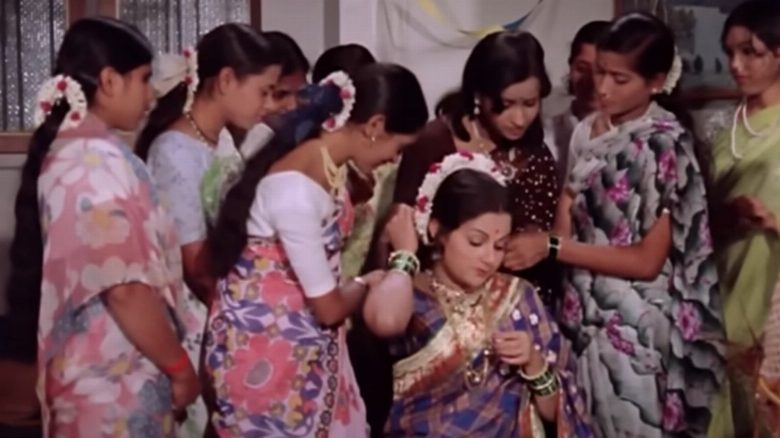
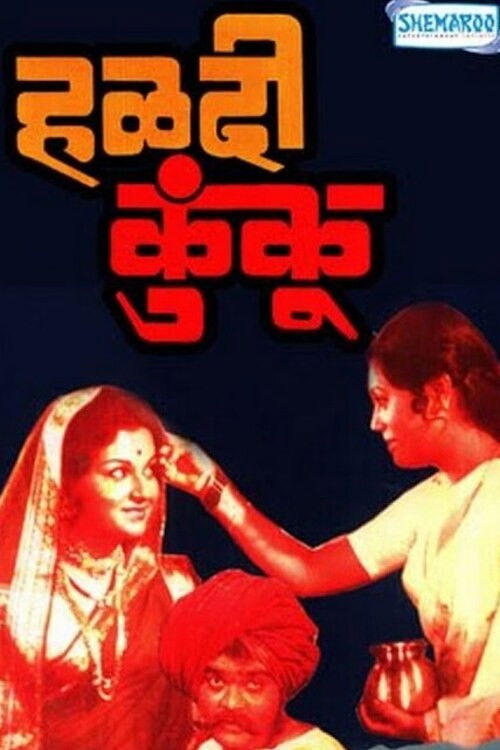
Stepping back into the late seventies, Haldi Kunku emerges as a quintessential piece of Marathi cinema that captures the intricate social fabric of its time. While modern audiences are often drawn to the high-octane spectacle of current pan-Indian releases, this drama offers a grounded look at the domestic spheres and traditional rites that defined the era. The film serves as a time capsule, highlighting the cultural significance of the Haldi Kunku ceremony, a social gathering that goes beyond mere ritual to function as a vital support system for women within the community. By anchoring its narrative in these deeply rooted customs, the production manages to explore the complexities of human relationships and the quiet struggles faced within the household.
The presence of a soundtrack featuring the legendary Asha Bhosle adds a layer of sonic brilliance to the experience, elevating the emotional stakes of the storytelling. For cinephiles interested in the evolution of regional Indian narratives, this work provides a fascinating glimpse into a period where Marathi cinema was balancing traditional values with emerging social critiques. The ensemble cast, featuring established names like Ranjana and Ganpat Patil, brings a lived-in authenticity to the screen that is rarely replicated in contemporary filmmaking. Their performances ground the script, ensuring that the thematic weight of the drama feels earned rather than forced, making it a compelling watch for those who appreciate character-driven storytelling over explosive plot twists.
Viewers who gravitate toward classic dramas that prioritize cultural heritage and interpersonal dynamics will find much to admire here. It is a thoughtful exploration of how societal expectations shape individual lives, presented with the measured pacing characteristic of the period. Because it highlights the specific regional aesthetics of Maharashtra, the film remains an essential touchstone for anyone curating a deep dive into the history of Indian motion pictures. Whether you are a student of cinema history or simply someone seeking a story that resonates with traditional charm and poignant musicality, this title remains a notable entry in the vast landscape of Indian film heritage. Its ability to maintain relevance through its focus on universal themes of togetherness and domestic duty ensures that it holds a respected place in the annals of regional drama.