February 15, 1839(2001)
About February 15, 1839
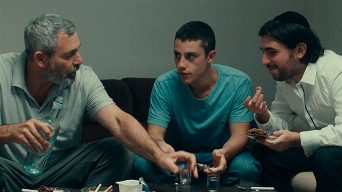
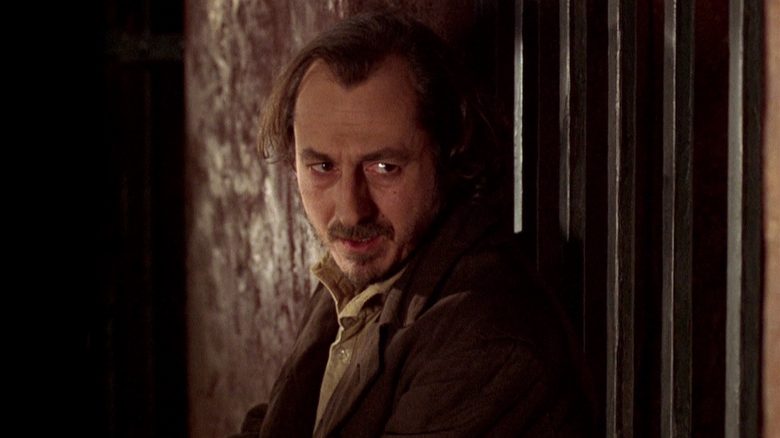
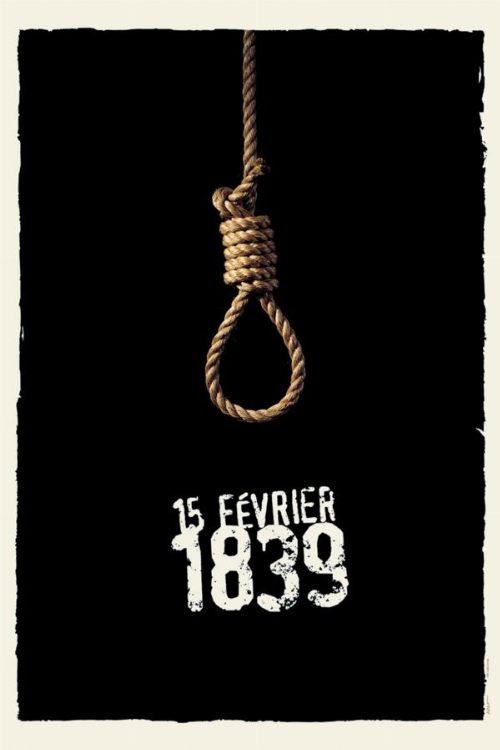
In 1839, months after the British army has repressed the insurrection of the Patriots, hundreds of rebels are still in prison. The morning of February 14, Marie-Thomas Chevalier De Lorimier and Charles Hindelang learn that they will be hung in 24 hours, with three others. While they await their death the condemned spend time and consult with companions and loved ones as well as entrust to those their last wills. At dawn, the five Patriots will walk to the scaffold, knowing will they die.
Pierre Falardeau invites audiences into the claustrophobic tension of a doomed cell in this stark historical drama that strips away the romanticism often associated with colonial uprisings. By focusing on the final hours of several men awaiting execution following the failed 1837-1838 Lower Canada Rebellion, the film functions more as a chamber piece than a sprawling epic. While contemporary Indian cinema frequently explores the grit of revolutionary fervor through high-octane action and sweeping nationalistic fervor, this French-language production opts for a somber, quiet intensity. It is a profound meditation on the cost of political defiance, stripping the historical figures of their legendary status to reveal the vulnerable human beings facing the inevitable consequence of their convictions.
The narrative rhythm is deliberately slow, allowing viewers to inhabit the heavy atmosphere of the prison as the condemned men reconcile their personal legacies with their impending demise. For audiences accustomed to the vibrant, multifaceted storytelling found in Telugu or Hindi period dramas, this film offers a starkly different aesthetic. It lacks the grand musical scores or stylized battle sequences that define much of the global cinematic landscape, instead relying on the raw, unadorned dialogue of men whose cause has been officially crushed. The director, known for his uncompromising approach to Quebecois identity, crafts a portrait that feels deeply personal and local, yet it speaks to universal themes of martyrdom and the heavy price of challenging an imperial order.
This is an essential watch for those who appreciate history told through the lens of individual sacrifice rather than broad tactical movements. It demands a patient viewer, one willing to sit with the silence and the weight of final words. As the clock ticks down toward the dawn execution, the film poses difficult questions about why people choose to fight battles they know they cannot win. It serves as a reminder that history is often written by the victors, but the soul of a movement is frequently found in these quiet, desperate final hours. By focusing on the human connection between these doomed patriots and their loved ones, the film transcends its specific Canadian context, becoming a haunting study of courage in the face of absolute institutional power. For those interested in how world cinema captures the intersection of politics and humanity, this film stands as a disciplined, devastating, and deeply respectful look at the end of a revolution.
Cast(63)