About Gabi: Russian Coffee
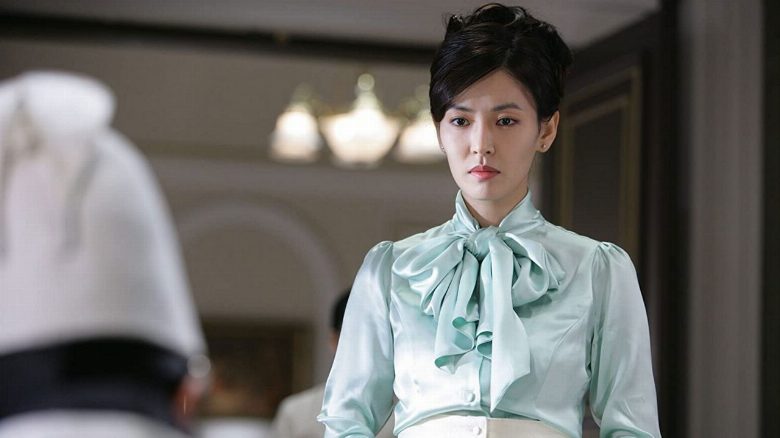
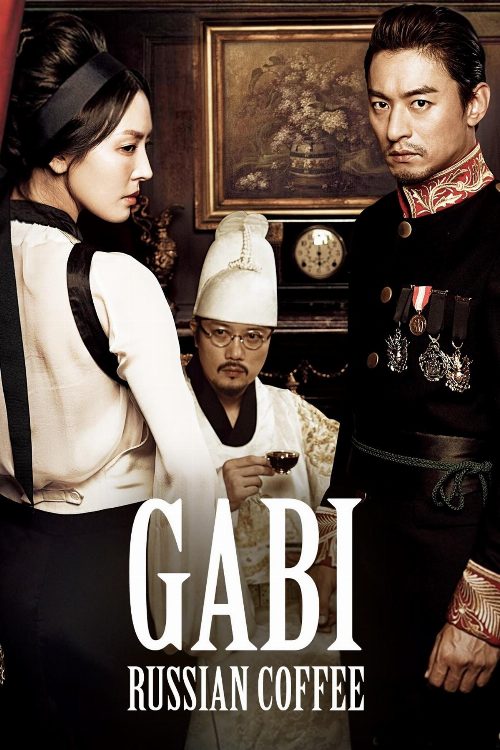
Set towards the end of the 19th century, when coffee was first introduced to Korea, Russian sharpshooter Illichi and Joseon's first barista Danya are manipulated by Japanese officer Sadako into an elaborate plan to assassinate King Gojong.
Stepping into the late nineteenth century, Gabi: Russian Coffee captures a pivotal moment of cultural transformation in Korea, where the arrival of a foreign beverage signals the dawn of modernization amidst the crumbling structures of the Joseon Dynasty. While contemporary Indian cinema often explores the intersection of historical struggle and personal identity through grand epics, this Korean drama opts for a more intimate, suspenseful lens. It frames the introduction of coffee not just as a sensory novelty, but as a catalyst for political intrigue and espionage. The narrative centers on an unlikely pair—a sharpshooter and a pioneering barista—who find their fates intertwined within a web of geopolitical tension involving Japan and Russia. By focusing on the figure of King Gojong, the film delves into the fragility of a monarch caught between imperial powers, offering a stylized look at an era rarely explored with such aesthetic precision.
The film is a must-watch for fans of historical thrillers who appreciate a blend of period-accurate production design and high-stakes tension. Director Chang Youn-hyun utilizes the elegance of the setting to contrast with the brutality of the assassination plot, creating an atmosphere that feels both sophisticated and dangerous. For viewers accustomed to the emotional depth found in high-concept Telugu or Malayalam dramas, this feature offers a similar commitment to character-driven storytelling, where the stakes are as personal as they are national. Park Hee-soon brings a brooding intensity to the screen that anchors the narrative, ensuring that the spectacle of the era never overshadows the inner conflict of the protagonists. It is an exploration of loyalty, survival, and the bittersweet flavor of a world undergoing a rapid, often painful, transition.
Ultimately, Gabi: Russian Coffee distinguishes itself by transforming a seemingly simple cultural evolution into a layered mystery. It is positioned as a sophisticated period piece that moves away from conventional war tropes to focus on the quiet power of influence and the weight of secrets. For those interested in how cinema reflects the shifting borders and cultural identities of the past, this work serves as a compelling study. It captures the tension of a nation standing on the precipice of change, where a single cup of coffee can hold as much weight as a political decree. Audiences seeking a cerebral experience that marries visual artistry with historical intrigue will find this film a deeply evocative addition to the landscape of international period dramas.
Cast(11)